
Vanta and incident.io’s Incident Response Plan Template
Incidents that impact your services, customers, or internal operations can be disruptive—but with the right planning and procedures in place, they don’t have to be stressful or chaotic.
Created in partnership with incident.io—the all-in-one AI platform for incident management—our Incident Response Plan Template provides clear guidance on how to declare, coordinate, and communicate about incidents.
Download the template for guidance on:
- How to identify and classify an incident
- Roles and responsibilities during an incident
- Communication best practices
- A five-step incident response process checklist
An incident response plan template provides your organization with a structured, customizable document for defining how to detect, respond to, and recover from security incidents and operational disruptions. Without a documented plan, teams often improvise during incidents—leading to slower response times, inconsistent communication, and greater damage.
This template, co-created by Vanta and incident.io, covers the full incident lifecycle—from classification and escalation through communication, resolution, and post-incident review—giving your team a tested playbook that's ready before an incident occurs.
How to use this template
- Download and review the structure: Familiarize yourself with the incident classification matrix, severity levels, and the five-step response process to understand the full scope.
- Customize to your organization: Adapt the roles, escalation paths, and communication templates to match your team structure. Define severity levels that reflect your specific services and SLAs.
- Finalize and train: Share the plan with all relevant teams, run a tabletop exercise to validate it, and upload to your compliance platform. Review and update after every major incident.
FAQ
An incident response plan (IRP) is a documented set of procedures that defines how your organization detects, responds to, and recovers from security incidents or operational disruptions. It establishes roles, communication protocols, severity classifications, and step-by-step processes so your team can respond quickly and consistently when an incident occurs.
Every organization that operates digital services or handles sensitive data. IRPs are required or recommended by compliance frameworks including SOC 2, ISO 27001, HIPAA, and NIST CSF. Beyond compliance, having a documented plan reduces response time, limits damage, and demonstrates operational maturity to customers and stakeholders.
Writing an IRP from scratch means deciding on classification schemes, severity levels, escalation paths, and communication workflows—all while ensuring they meet compliance requirements. A template provides a proven structure based on industry best practices so your team can focus on customization rather than architecture.
A strong IRP typically covers: incident classification criteria and severity levels, roles and responsibilities (incident commander, communications lead, technical responder), escalation procedures, internal and external communication templates, a step-by-step response process, and a post-incident review framework.
Vanta and incident.io’s Incident Response Plan Template
Incidents that impact your services, customers, or internal operations can be disruptive—but with the right planning and procedures in place, they don’t have to be stressful or chaotic.
Created in partnership with incident.io—the all-in-one AI platform for incident management—our Incident Response Plan Template provides clear guidance on how to declare, coordinate, and communicate about incidents.
Download the template for guidance on:
- How to identify and classify an incident
- Roles and responsibilities during an incident
- Communication best practices
- A five-step incident response process checklist
The Agentic Trust Platform powering security for over [customer_count] customers


An incident response plan template provides your organization with a structured, customizable document for defining how to detect, respond to, and recover from security incidents and operational disruptions. Without a documented plan, teams often improvise during incidents—leading to slower response times, inconsistent communication, and greater damage.
This template, co-created by Vanta and incident.io, covers the full incident lifecycle—from classification and escalation through communication, resolution, and post-incident review—giving your team a tested playbook that's ready before an incident occurs.
How to use this template
- Download and review the structure: Familiarize yourself with the incident classification matrix, severity levels, and the five-step response process to understand the full scope.
- Customize to your organization: Adapt the roles, escalation paths, and communication templates to match your team structure. Define severity levels that reflect your specific services and SLAs.
- Finalize and train: Share the plan with all relevant teams, run a tabletop exercise to validate it, and upload to your compliance platform. Review and update after every major incident.
It’s all here
Compliance, risk, and proof. All in the #1 Agentic Trust Platform.
Compliance
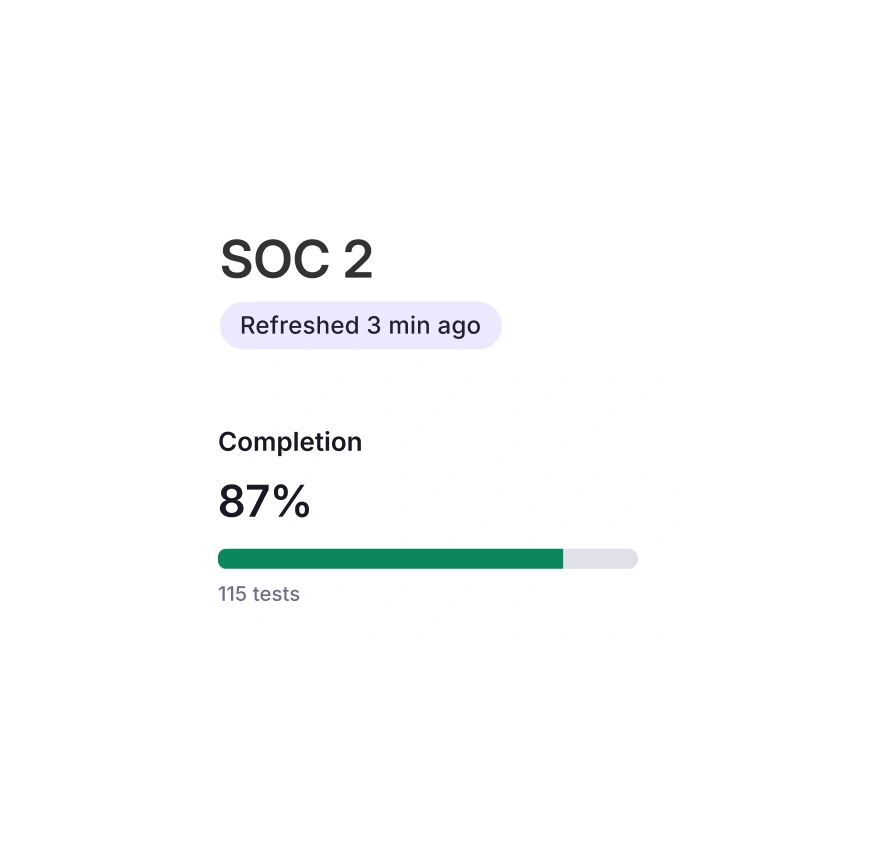
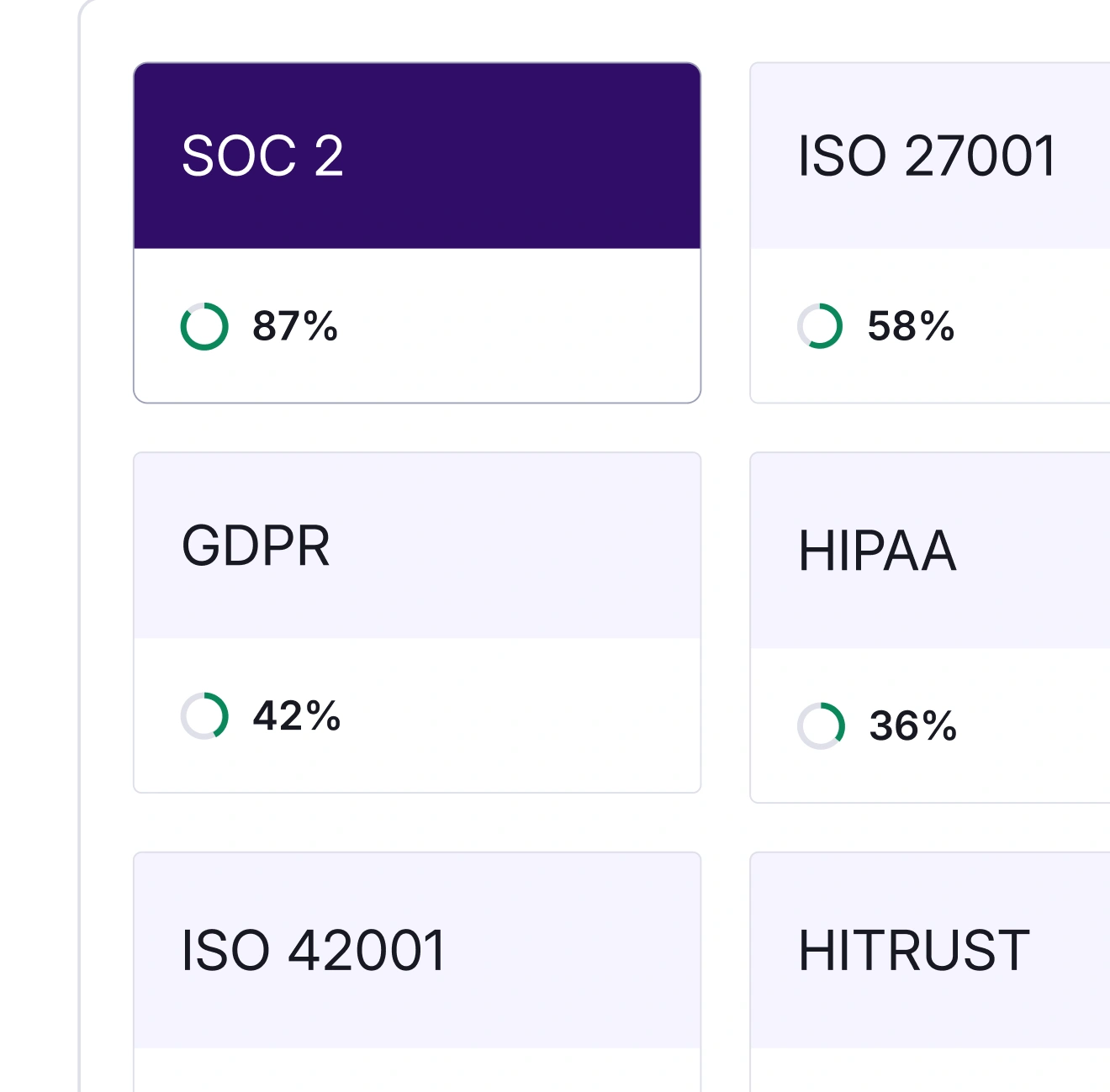
Get and stay compliant with automation and continuous monitoring.
Risk
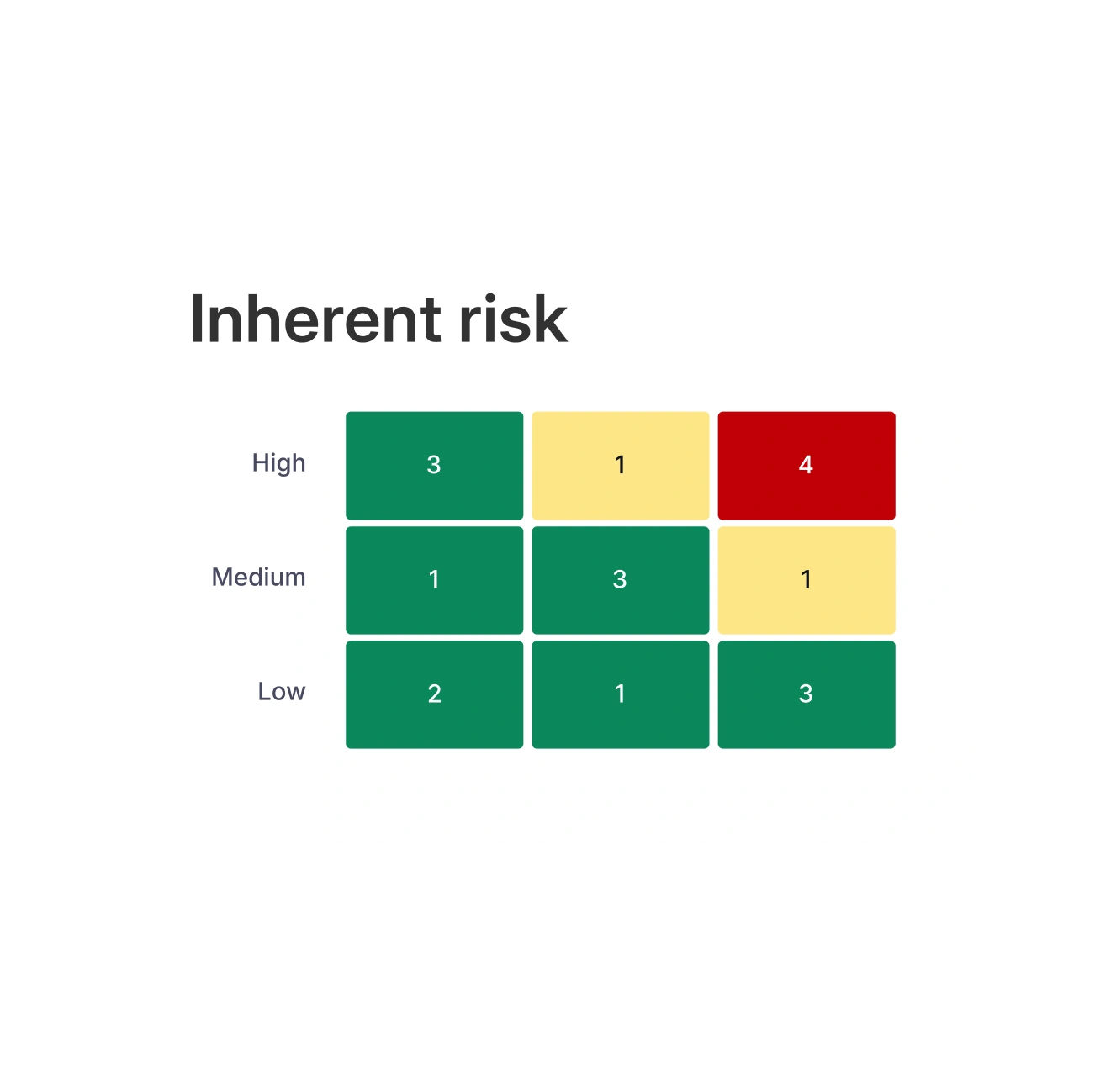
See and manage risk in one place.
Third Party Risk
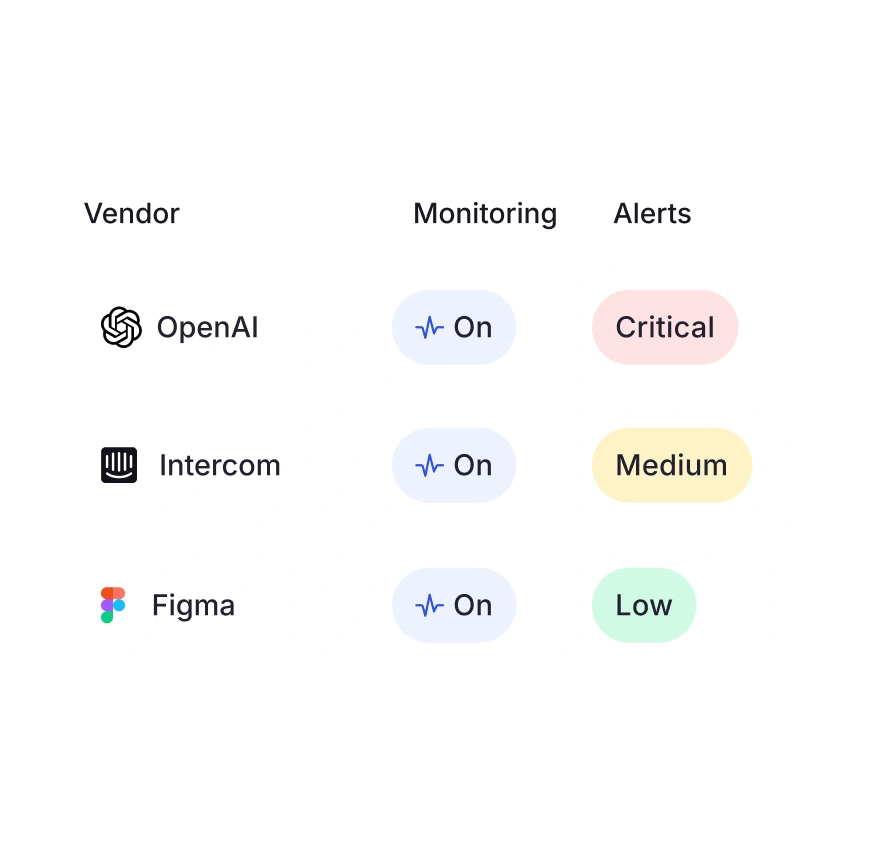
Stay on top of vendor risk with Vanta's Agent for TPRM.
Audit
Audit prep with ease, no spreadsheets required.
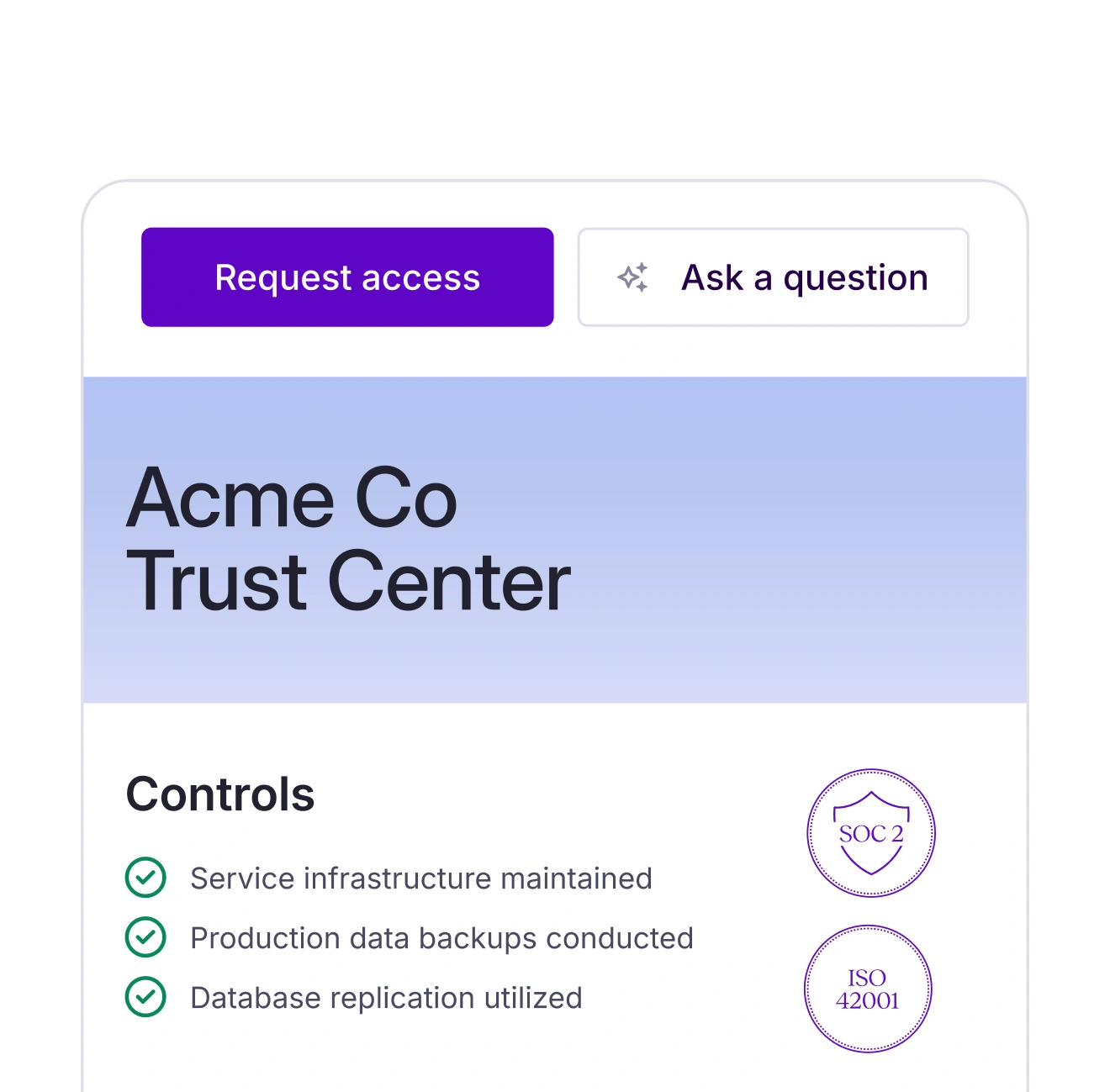
Trust Center
Showcase your security posture in real time.
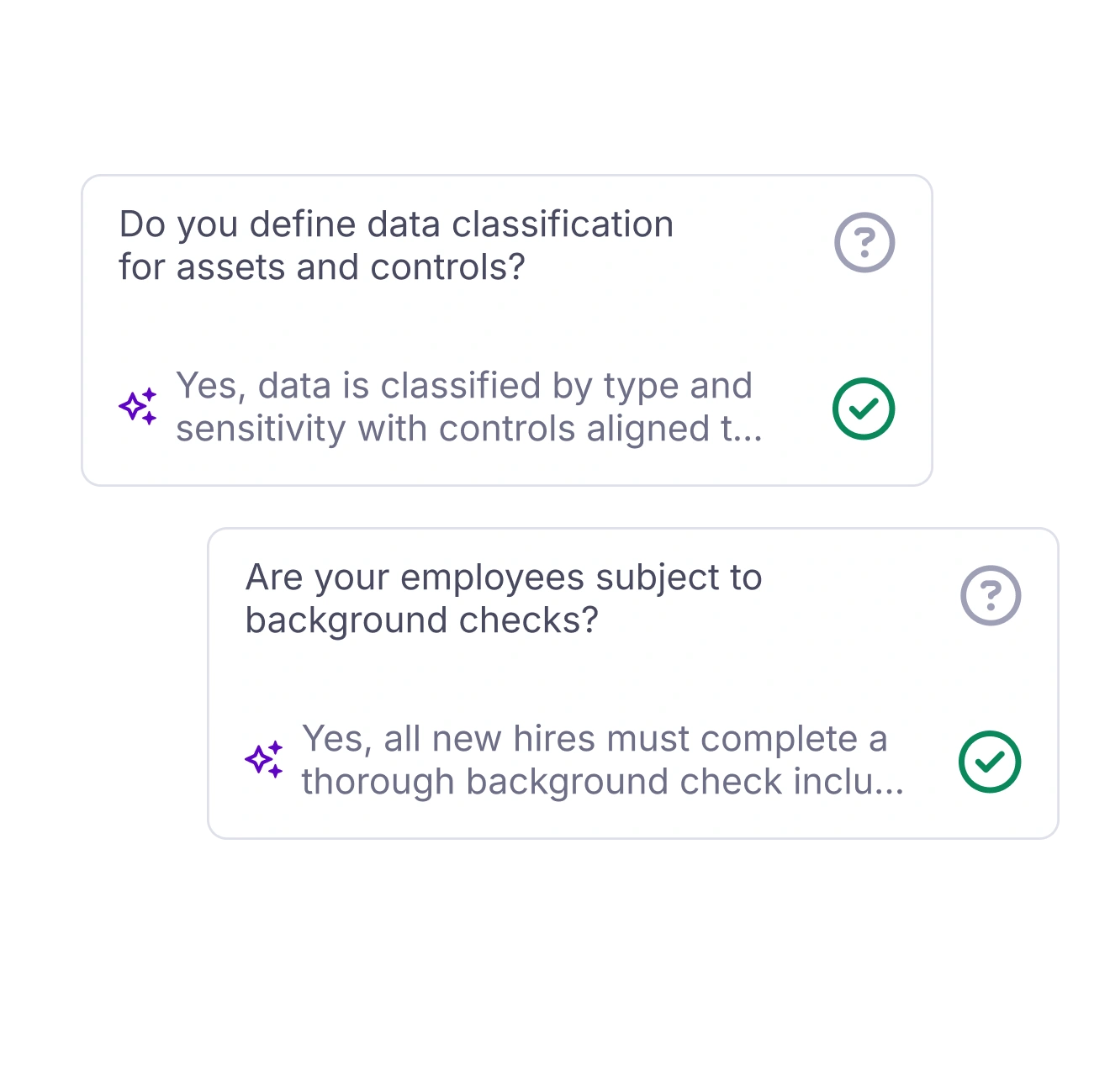
Questionnaire Automation
Let the Vanta Agent draft your questionnaire responses.
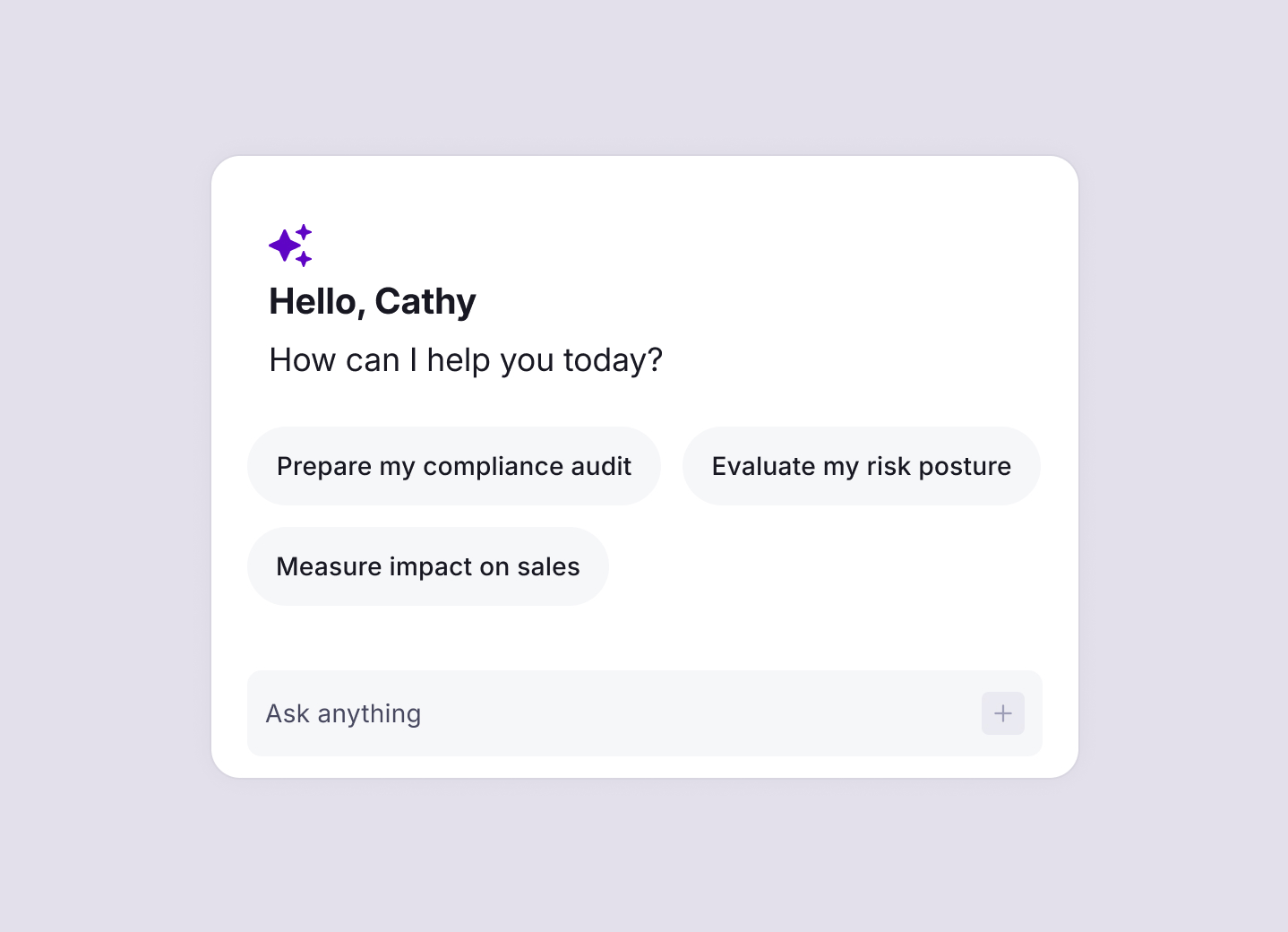
The Vanta Agent: your 24/7
GRC engineering team
The Vanta agent is everywhere you need it to be—drafting policies, completing your questionnaires, calling out issues, and generally making you wonder what you did before it existed.
Built for you
Whether you're managing a complex program or just getting started.

Startups
Are you a startup founder in need of a SOC 2 yesterday, but lacking time and resources? We'll automate the process and get you big-deal-ready.


Mid-market
Security leaders, keep scaling fast—no need for more headcount. Vanta automates and continuously monitors your program, so you can do more with the team you have.




Enterprise
Vanta combines compliance, risk, and proof, right where CISOs and security leaders need them—clearly visible and all on one platform.



FAQ
An incident response plan (IRP) is a documented set of procedures that defines how your organization detects, responds to, and recovers from security incidents or operational disruptions. It establishes roles, communication protocols, severity classifications, and step-by-step processes so your team can respond quickly and consistently when an incident occurs.
Every organization that operates digital services or handles sensitive data. IRPs are required or recommended by compliance frameworks including SOC 2, ISO 27001, HIPAA, and NIST CSF. Beyond compliance, having a documented plan reduces response time, limits damage, and demonstrates operational maturity to customers and stakeholders.
Writing an IRP from scratch means deciding on classification schemes, severity levels, escalation paths, and communication workflows—all while ensuring they meet compliance requirements. A template provides a proven structure based on industry best practices so your team can focus on customization rather than architecture.
A strong IRP typically covers: incident classification criteria and severity levels, roles and responsibilities (incident commander, communications lead, technical responder), escalation procedures, internal and external communication templates, a step-by-step response process, and a post-incident review framework.
Vanta and incident.io’s Incident Response Plan Template
Incidents that impact your services, customers, or internal operations can be disruptive—but with the right planning and procedures in place, they don’t have to be stressful or chaotic.
Created in partnership with incident.io—the all-in-one AI platform for incident management—our Incident Response Plan Template provides clear guidance on how to declare, coordinate, and communicate about incidents.
Download the template for guidance on:
- How to identify and classify an incident
- Roles and responsibilities during an incident
- Communication best practices
- A five-step incident response process checklist
Download

Interested in learning more about Vanta?

%201%20(1).svg)


%201.svg)
