
Disaster Recovery Plan Template
A strong disaster recovery plan (DRP) helps your business prepare for the unexpected and restore critical operations fast. Whether you’re aiming for SOC 2, ISO 27001, or PCI compliance, a DRP is a required part of your security foundation.
This customizable template walks you through:
- How to define roles and responsibilities
- Disaster scenarios and response steps
- Testing and tabletop exercises
- Communication and training plans
Designed to be audit-friendly, the template saves you time while ensuring your plan aligns with compliance frameworks and scales with your business.
A disaster recovery plan template provides your organization with a structured, audit-ready document for defining how you'll restore critical systems and operations after a disruption—whether it's a major outage, cyberattack, or data loss event. While it works in tandem with your broader business continuity plan, a DRP focuses specifically on the technical recovery steps: classifying risks, defining recovery objectives, documenting response procedures, and establishing communication protocols.
Frameworks like ISO 27001, SOC 2, and PCI DSS require a documented disaster recovery plan, and auditors expect to see one that's been customized to your environment and tested regularly. This template covers all 12 sections of a comprehensive DRP—from roles and responsibilities through testing exercises and training—so your team can build a plan that's ready before an incident occurs.
How to use this template
- Make a copy and review the structure: The template includes a detailed instructions page that walks through the purpose of each of the 12 sections, from risk classification and disaster scenarios through communication plans and tabletop exercises.
- Replace all placeholder text: Use Find to locate every
[ ]bracketed field highlighted in yellow and replace it with your organization's specific details—recovery objectives, severity ratings, response steps, roles, and communication protocols. Remove any sections that don't apply. - Finalize and test: Delete the instructions page, add your company branding, export as a PDF, and upload to your compliance platform. Schedule regular tabletop exercises and update the plan as your infrastructure evolves.
FAQ
A disaster recovery plan is a documented set of procedures for restoring critical IT systems after a disruptive event. It defines recovery time and recovery point objectives (RTO/RPO), risk severity levels, disaster scenarios with response steps, communication protocols, and testing schedules to help your team respond quickly and minimize downtime.
Any organization that relies on IT systems to deliver products or services. Disaster recovery plans are required by compliance frameworks including ISO 27001, SOC 2, and PCI DSS, and are recommended under HIPAA and NIST CSF. Enterprise customers also increasingly expect to see one during vendor security reviews.
A comprehensive disaster recovery plan template requires defining recovery objectives, classifying risk severity, documenting response steps for specific scenarios, and building communication and training programs. A template provides a proven 12-section structure so your team can focus on customizing the plan to your specific systems and risks.
A strong disaster recovery plan typically covers: scope and objectives, roles and responsibilities, RTO/RPO definitions, risk classification, disaster scenarios with response steps, a communication plan, incident detection procedures, event recording, testing and tabletop exercises, training programs, and supporting appendices.
Disaster Recovery Plan Template
A strong disaster recovery plan (DRP) helps your business prepare for the unexpected and restore critical operations fast. Whether you’re aiming for SOC 2, ISO 27001, or PCI compliance, a DRP is a required part of your security foundation.
This customizable template walks you through:
- How to define roles and responsibilities
- Disaster scenarios and response steps
- Testing and tabletop exercises
- Communication and training plans
Designed to be audit-friendly, the template saves you time while ensuring your plan aligns with compliance frameworks and scales with your business.
The Agentic Trust Platform powering security for over [customer_count] customers


A disaster recovery plan template provides your organization with a structured, audit-ready document for defining how you'll restore critical systems and operations after a disruption—whether it's a major outage, cyberattack, or data loss event. While it works in tandem with your broader business continuity plan, a DRP focuses specifically on the technical recovery steps: classifying risks, defining recovery objectives, documenting response procedures, and establishing communication protocols.
Frameworks like ISO 27001, SOC 2, and PCI DSS require a documented disaster recovery plan, and auditors expect to see one that's been customized to your environment and tested regularly. This template covers all 12 sections of a comprehensive DRP—from roles and responsibilities through testing exercises and training—so your team can build a plan that's ready before an incident occurs.
How to use this template
- Make a copy and review the structure: The template includes a detailed instructions page that walks through the purpose of each of the 12 sections, from risk classification and disaster scenarios through communication plans and tabletop exercises.
- Replace all placeholder text: Use Find to locate every
[ ]bracketed field highlighted in yellow and replace it with your organization's specific details—recovery objectives, severity ratings, response steps, roles, and communication protocols. Remove any sections that don't apply. - Finalize and test: Delete the instructions page, add your company branding, export as a PDF, and upload to your compliance platform. Schedule regular tabletop exercises and update the plan as your infrastructure evolves.
It’s all here
Compliance, risk, and proof. All in the #1 Agentic Trust Platform.
Compliance
Get and stay compliant with automation and continuous monitoring.

Risk
See and manage risk in one place.
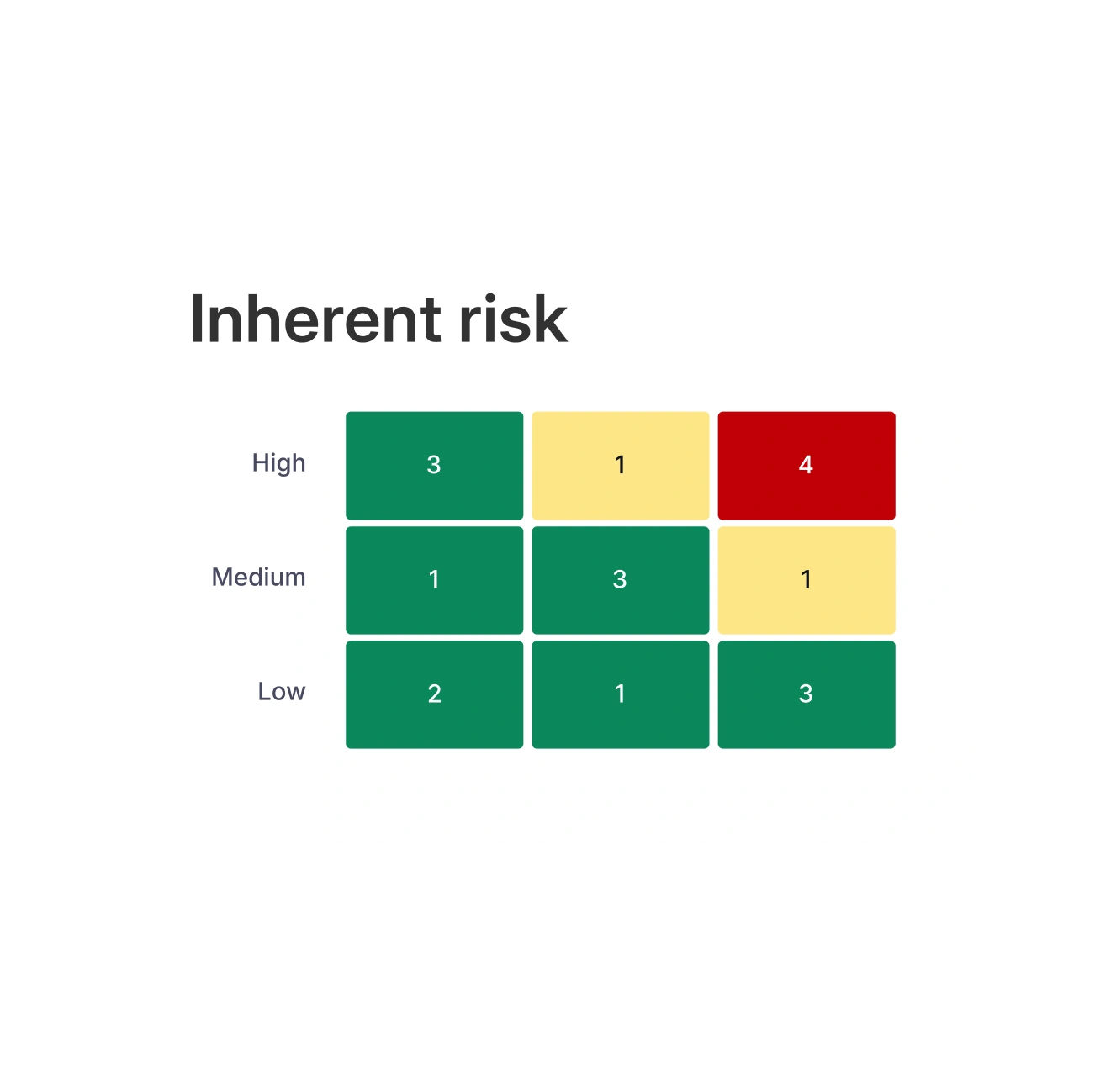
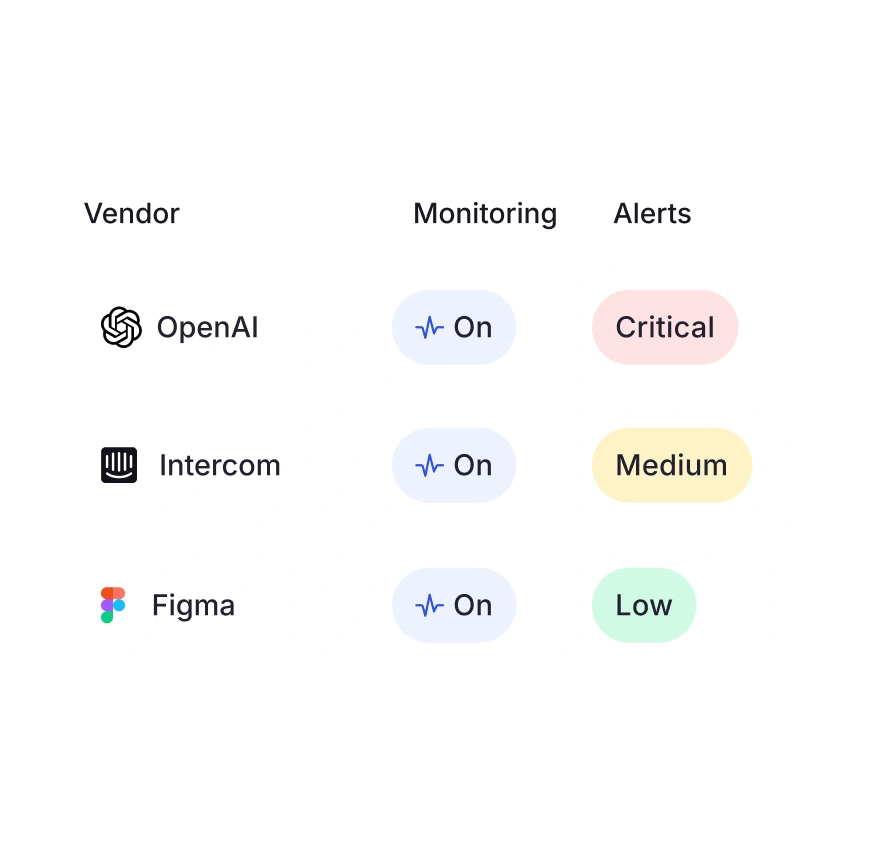
Third Party Risk
Stay on top of vendor risk with Vanta's Agent for TPRM.
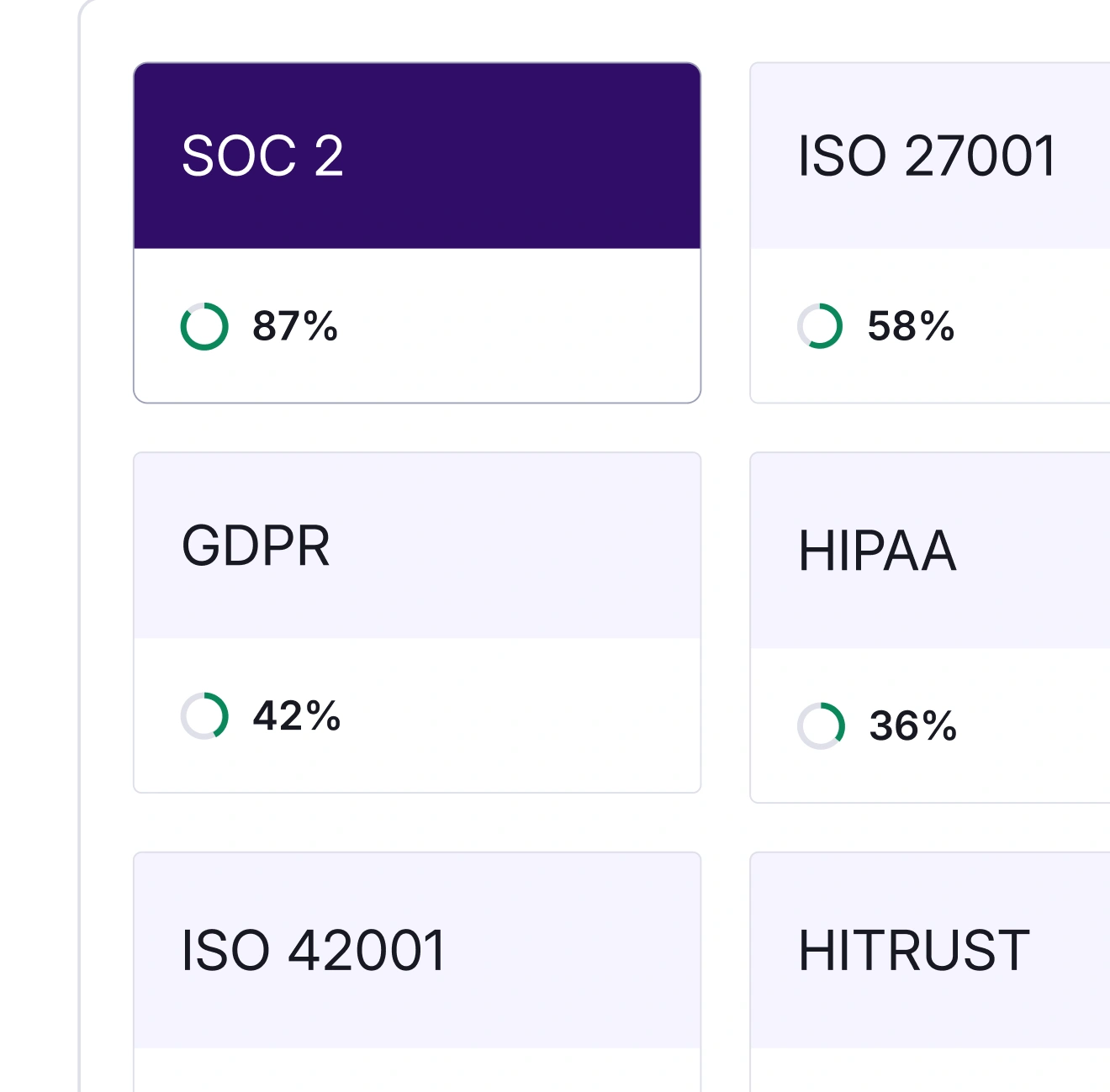
Audit
Audit prep with ease, no spreadsheets required.
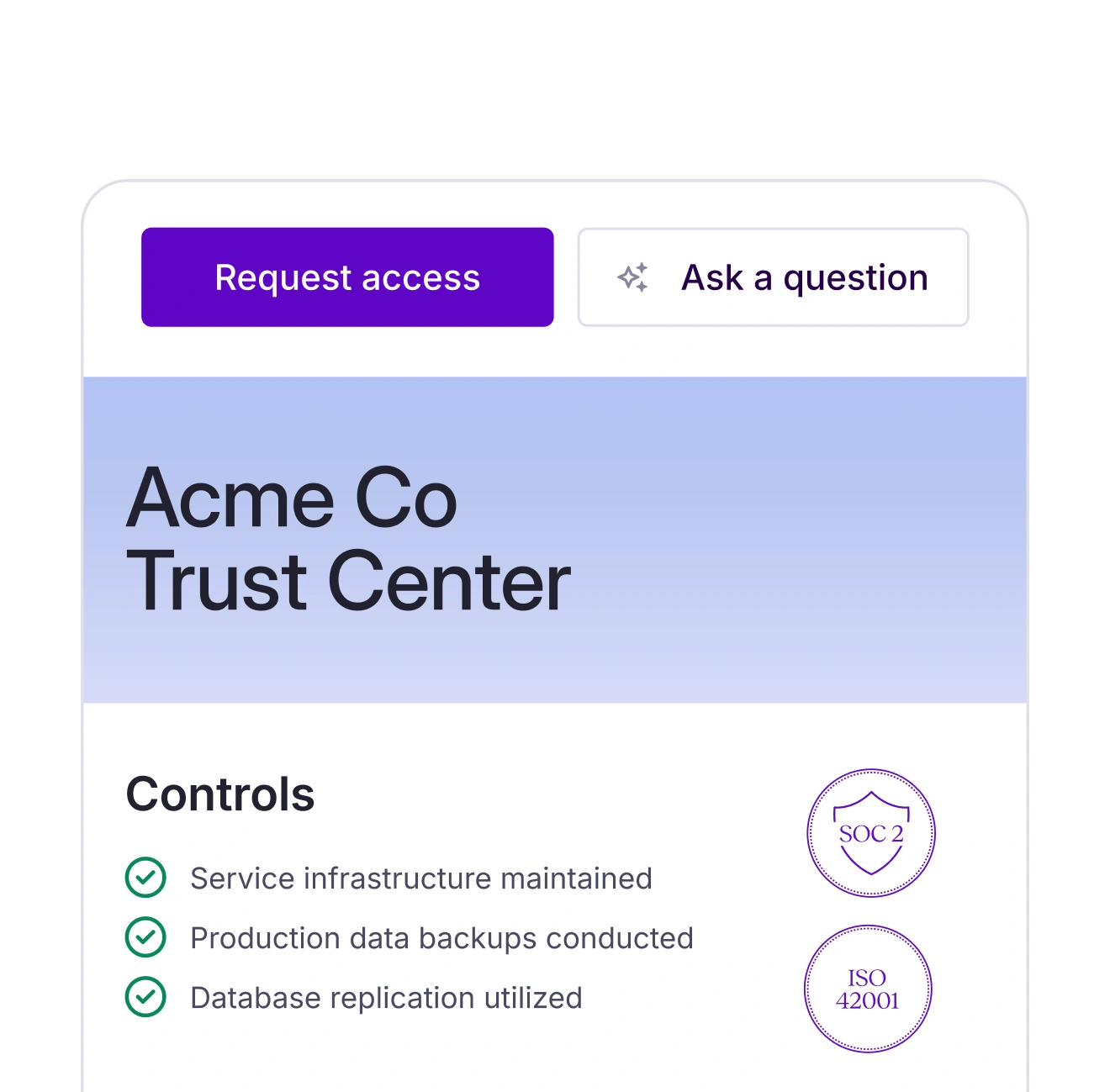
Trust Center
Showcase your security posture in real time.
Questionnaire Automation
Let the Vanta Agent draft your questionnaire responses.
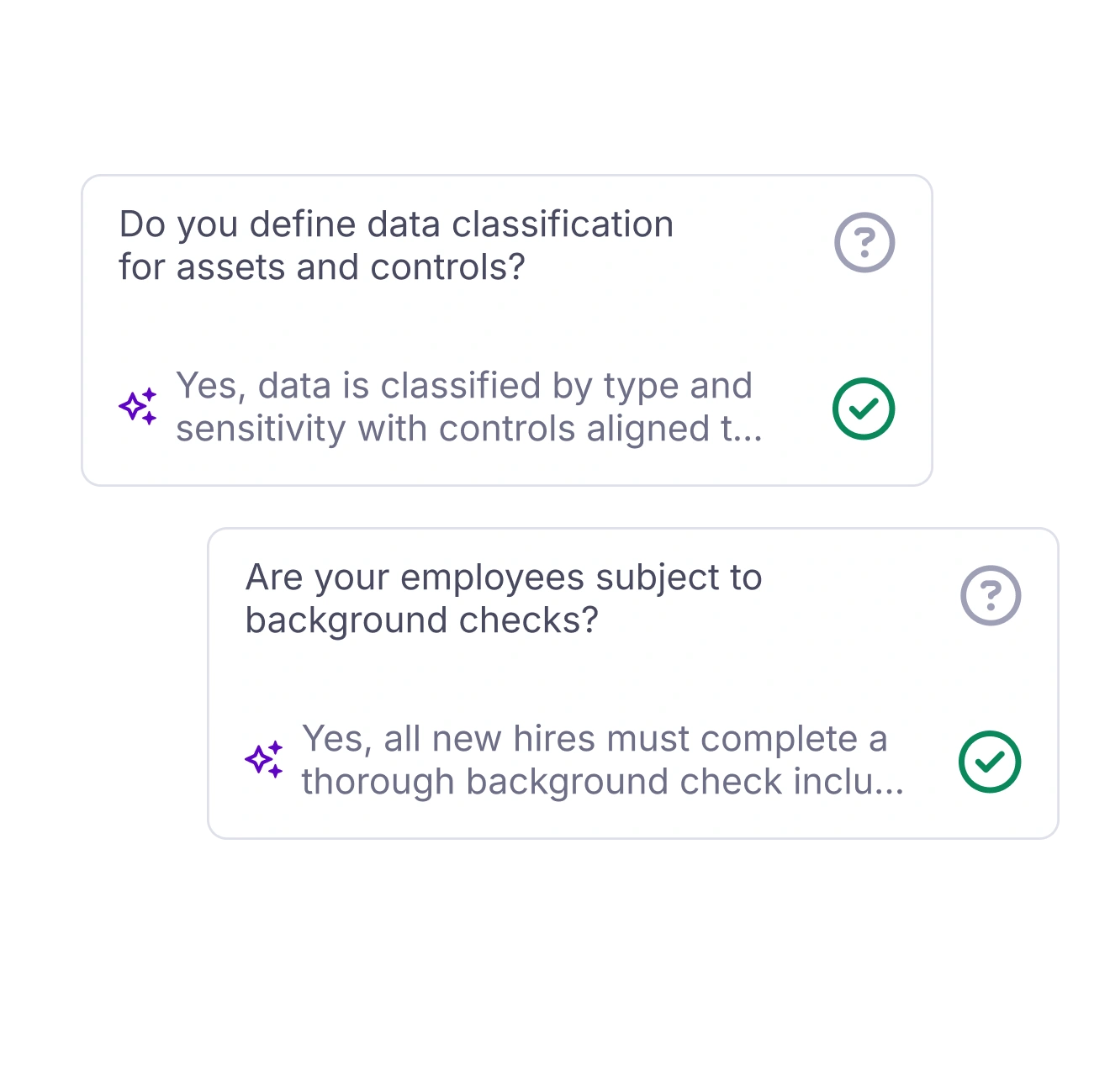
The Vanta Agent: your 24/7
GRC engineering team
The Vanta agent is everywhere you need it to be—drafting policies, completing your questionnaires, calling out issues, and generally making you wonder what you did before it existed.
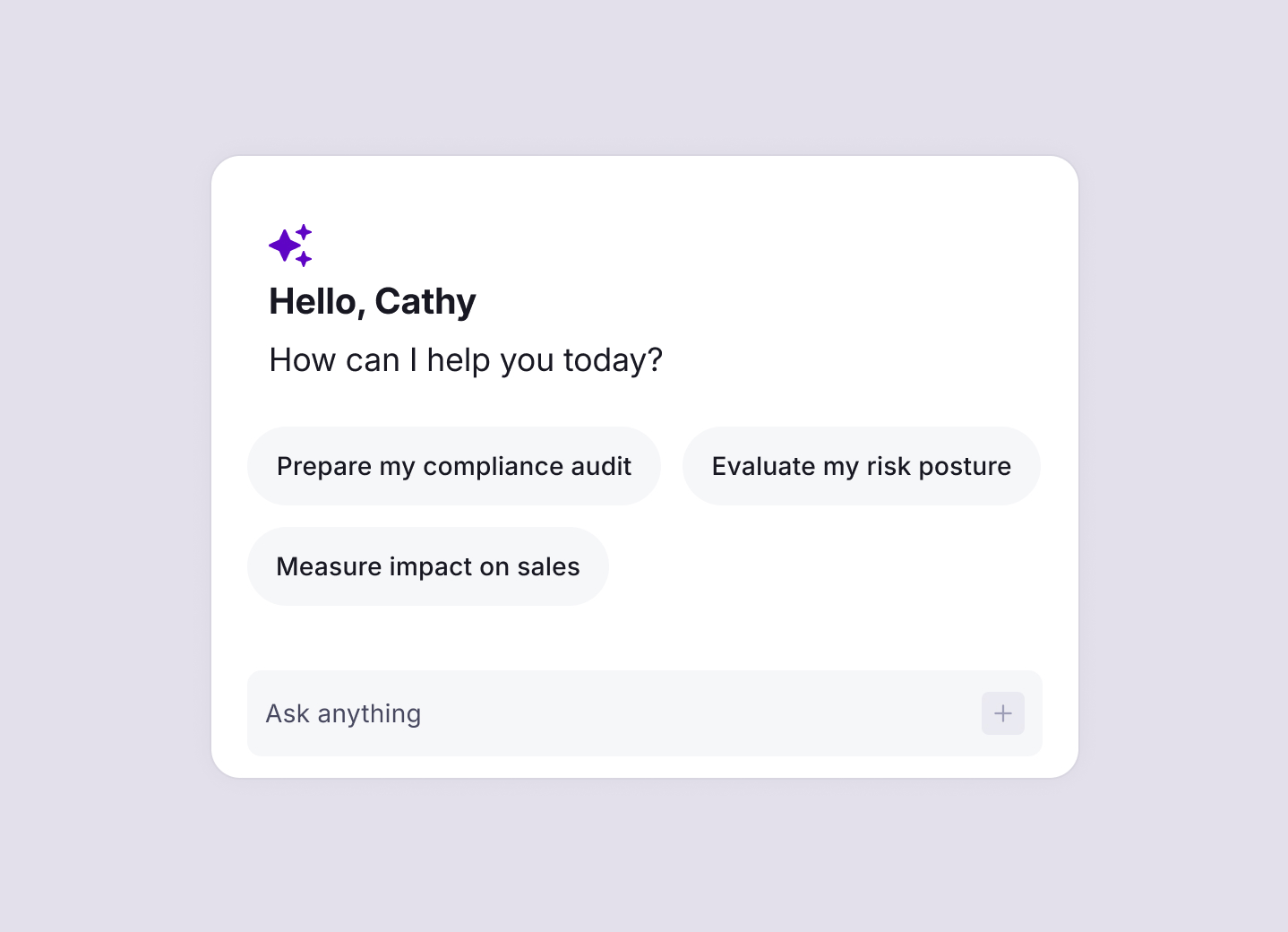
Built for you
Whether you're managing a complex program or just getting started.

Startups
Are you a startup founder in need of a SOC 2 yesterday, but lacking time and resources? We'll automate the process and get you big-deal-ready.


Mid-market
Security leaders, keep scaling fast—no need for more headcount. Vanta automates and continuously monitors your program, so you can do more with the team you have.




Enterprise
Vanta combines compliance, risk, and proof, right where CISOs and security leaders need them—clearly visible and all on one platform.



FAQ
A disaster recovery plan is a documented set of procedures for restoring critical IT systems after a disruptive event. It defines recovery time and recovery point objectives (RTO/RPO), risk severity levels, disaster scenarios with response steps, communication protocols, and testing schedules to help your team respond quickly and minimize downtime.
Any organization that relies on IT systems to deliver products or services. Disaster recovery plans are required by compliance frameworks including ISO 27001, SOC 2, and PCI DSS, and are recommended under HIPAA and NIST CSF. Enterprise customers also increasingly expect to see one during vendor security reviews.
A comprehensive disaster recovery plan template requires defining recovery objectives, classifying risk severity, documenting response steps for specific scenarios, and building communication and training programs. A template provides a proven 12-section structure so your team can focus on customizing the plan to your specific systems and risks.
A strong disaster recovery plan typically covers: scope and objectives, roles and responsibilities, RTO/RPO definitions, risk classification, disaster scenarios with response steps, a communication plan, incident detection procedures, event recording, testing and tabletop exercises, training programs, and supporting appendices.
Disaster Recovery Plan Template
A strong disaster recovery plan (DRP) helps your business prepare for the unexpected and restore critical operations fast. Whether you’re aiming for SOC 2, ISO 27001, or PCI compliance, a DRP is a required part of your security foundation.
This customizable template walks you through:
- How to define roles and responsibilities
- Disaster scenarios and response steps
- Testing and tabletop exercises
- Communication and training plans
Designed to be audit-friendly, the template saves you time while ensuring your plan aligns with compliance frameworks and scales with your business.
Download

Interested in learning more about Vanta?

%201%20(1).svg)


%201.svg)
