
The HIPAA Compliance Checklist
HIPAA compliance involves fulfilling the requirements of the initial Health Insurance Portability and Accountability Act (HIPAA) of 1996 and its related legislation. Organizations with access to protected health information (PHI) are obligated to comply with HIPAA to maintain the security of patient data.
Vanta’s HIPAA checklist will help you simplify your path to HIPAA compliance. Here’s what’s inside:
- An overview of the steps needed to get HIPAA compliant.
- Steps needed to organize your team for HIPAA compliance.
- What to do to maintain compliance.

A HIPAA compliance checklist helps organizations that handle protected health information (PHI) systematically address the requirements of the Health Insurance Portability and Accountability Act. HIPAA applies to covered entities and their business associates—and the penalties for non-compliance can be severe, ranging from fines to criminal charges.
This checklist maps the steps needed to implement the Privacy Rule, Security Rule, and Breach Notification Rule, from conducting a risk assessment and establishing safeguards through workforce training and ongoing monitoring—so your team can build and maintain a compliant program without missing critical requirements.
FAQ
HIPAA (Health Insurance Portability and Accountability Act) is a U.S. federal law that sets standards for protecting sensitive patient health information. It includes the Privacy Rule (governing PHI use and disclosure), the Security Rule (requiring administrative, physical, and technical safeguards for ePHI), and the Breach Notification Rule. Organizations that handle PHI must comply with all applicable HIPAA provisions.
HIPAA applies to covered entities (healthcare providers, health plans, and healthcare clearinghouses) and their business associates—any organization that creates, receives, maintains, or transmits PHI on their behalf. This includes SaaS companies serving healthcare customers, cloud hosting providers, billing platforms, and any vendor with access to patient data.
HIPAA spans multiple rules with dozens of required and addressable safeguards across administrative, physical, and technical domains. A checklist breaks these requirements into actionable steps, helps you prioritize by risk level, and ensures you're addressing all applicable provisions—not just the ones that are most visible.
There's no formal HIPAA certification or audit—compliance is self-assessed and enforced through OCR investigations. Most organizations need 3–6 months to implement the required safeguards, conduct a risk assessment, establish policies, and train their workforce. Ongoing compliance requires continuous monitoring and annual risk assessment updates.
The HIPAA Compliance Checklist
HIPAA compliance involves fulfilling the requirements of the initial Health Insurance Portability and Accountability Act (HIPAA) of 1996 and its related legislation. Organizations with access to protected health information (PHI) are obligated to comply with HIPAA to maintain the security of patient data.
Vanta’s HIPAA checklist will help you simplify your path to HIPAA compliance. Here’s what’s inside:
- An overview of the steps needed to get HIPAA compliant.
- Steps needed to organize your team for HIPAA compliance.
- What to do to maintain compliance.
The Agentic Trust Platform powering security for over [customer_count] customers


A HIPAA compliance checklist helps organizations that handle protected health information (PHI) systematically address the requirements of the Health Insurance Portability and Accountability Act. HIPAA applies to covered entities and their business associates—and the penalties for non-compliance can be severe, ranging from fines to criminal charges.
This checklist maps the steps needed to implement the Privacy Rule, Security Rule, and Breach Notification Rule, from conducting a risk assessment and establishing safeguards through workforce training and ongoing monitoring—so your team can build and maintain a compliant program without missing critical requirements.
It’s all here
Compliance, risk, and proof. All in the #1 Agentic Trust Platform.
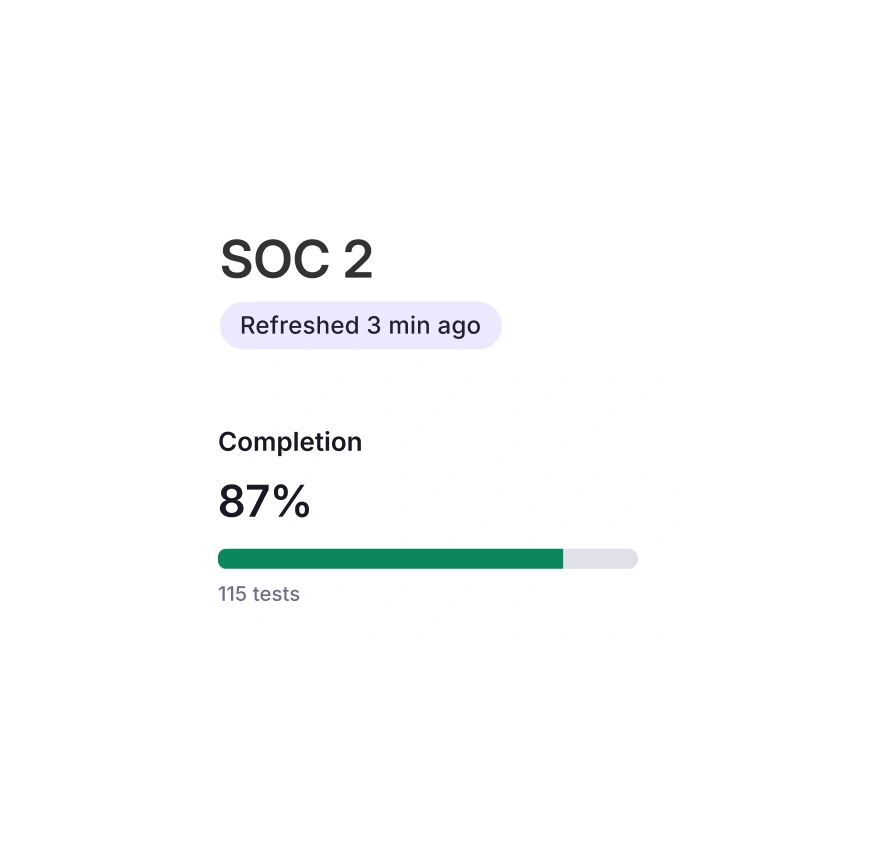
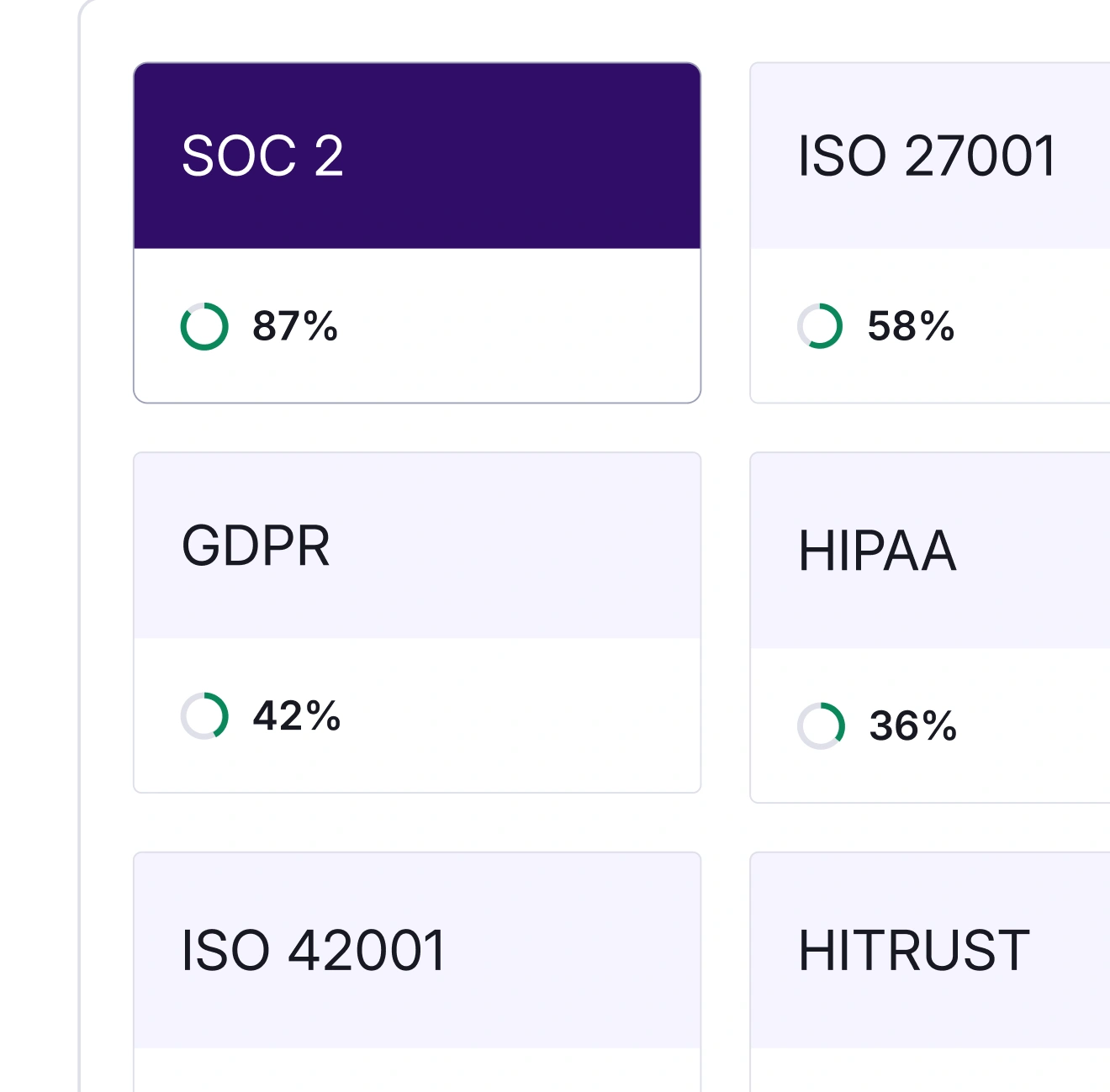
Compliance
Get and stay compliant with automation and continuous monitoring.
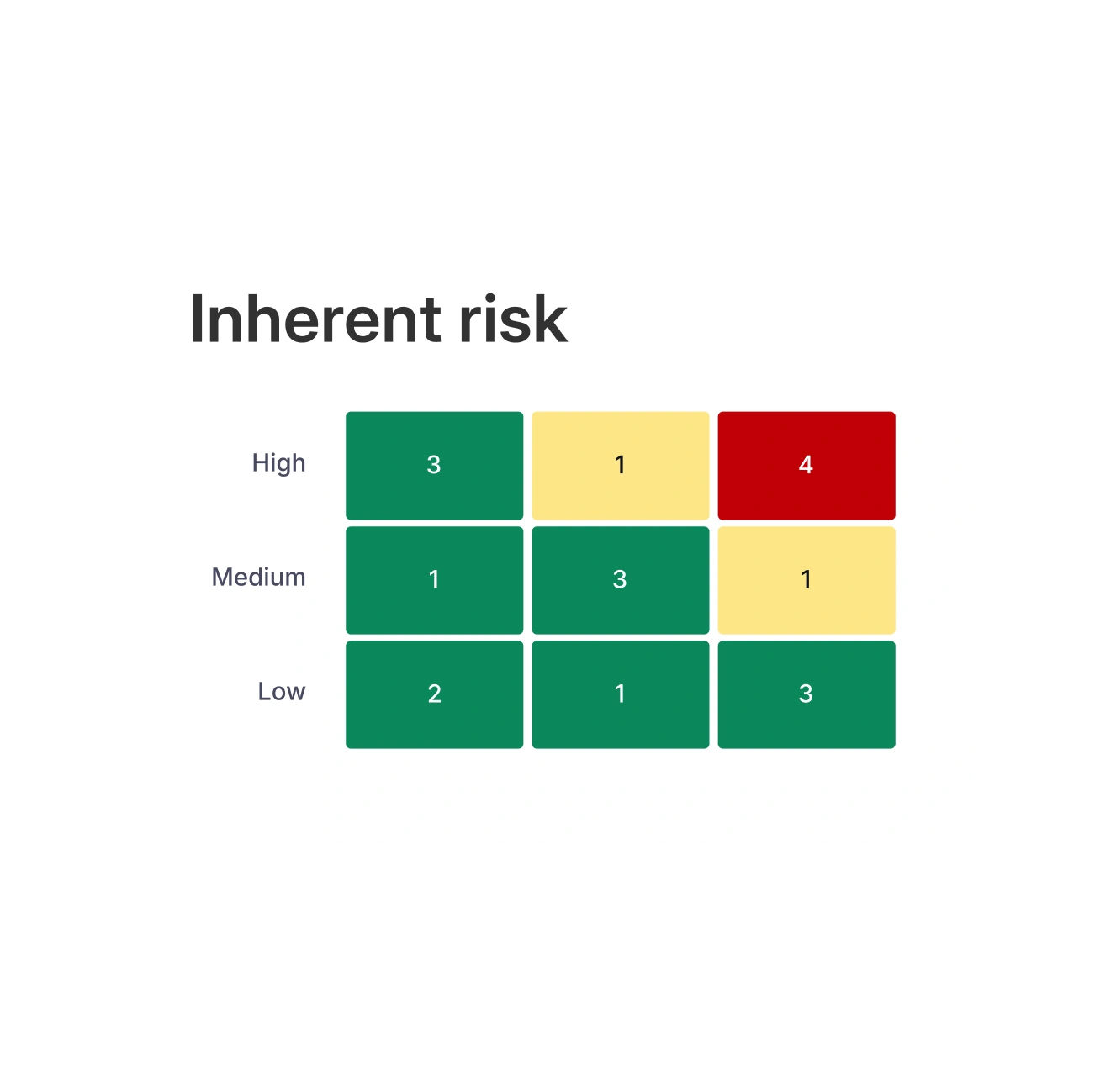
Risk
See and manage risk in one place.
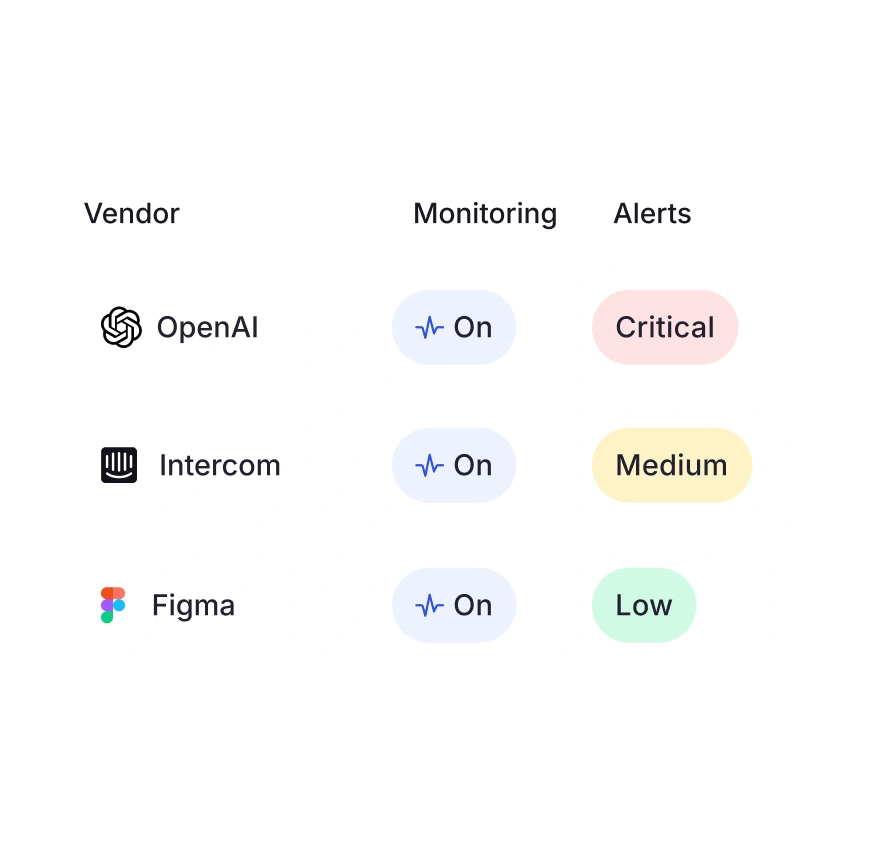
Third Party Risk
Stay on top of vendor risk with Vanta's Agent for TPRM.
Audit
Audit prep with ease, no spreadsheets required.
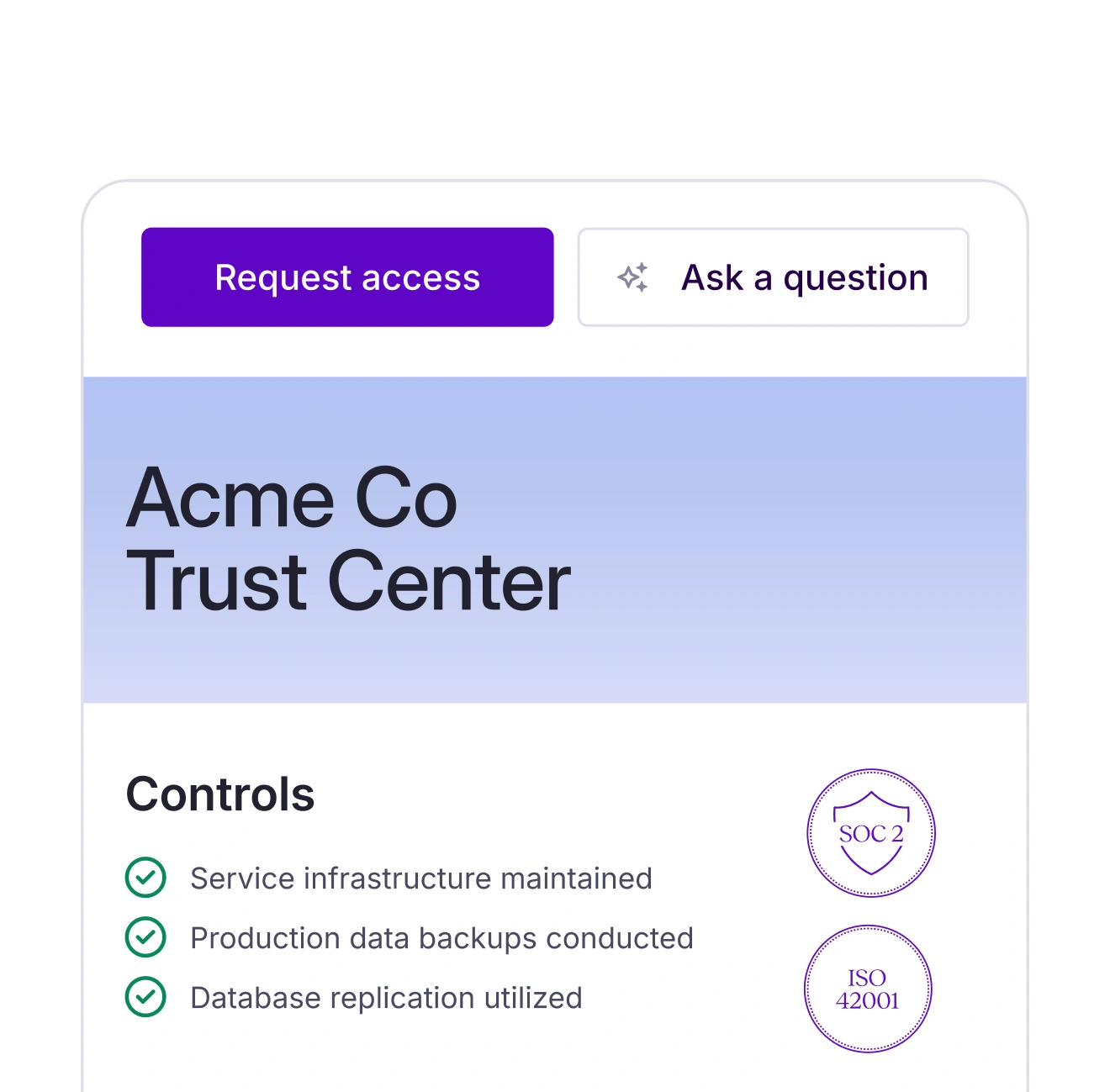
Trust Center
Showcase your security posture in real time.
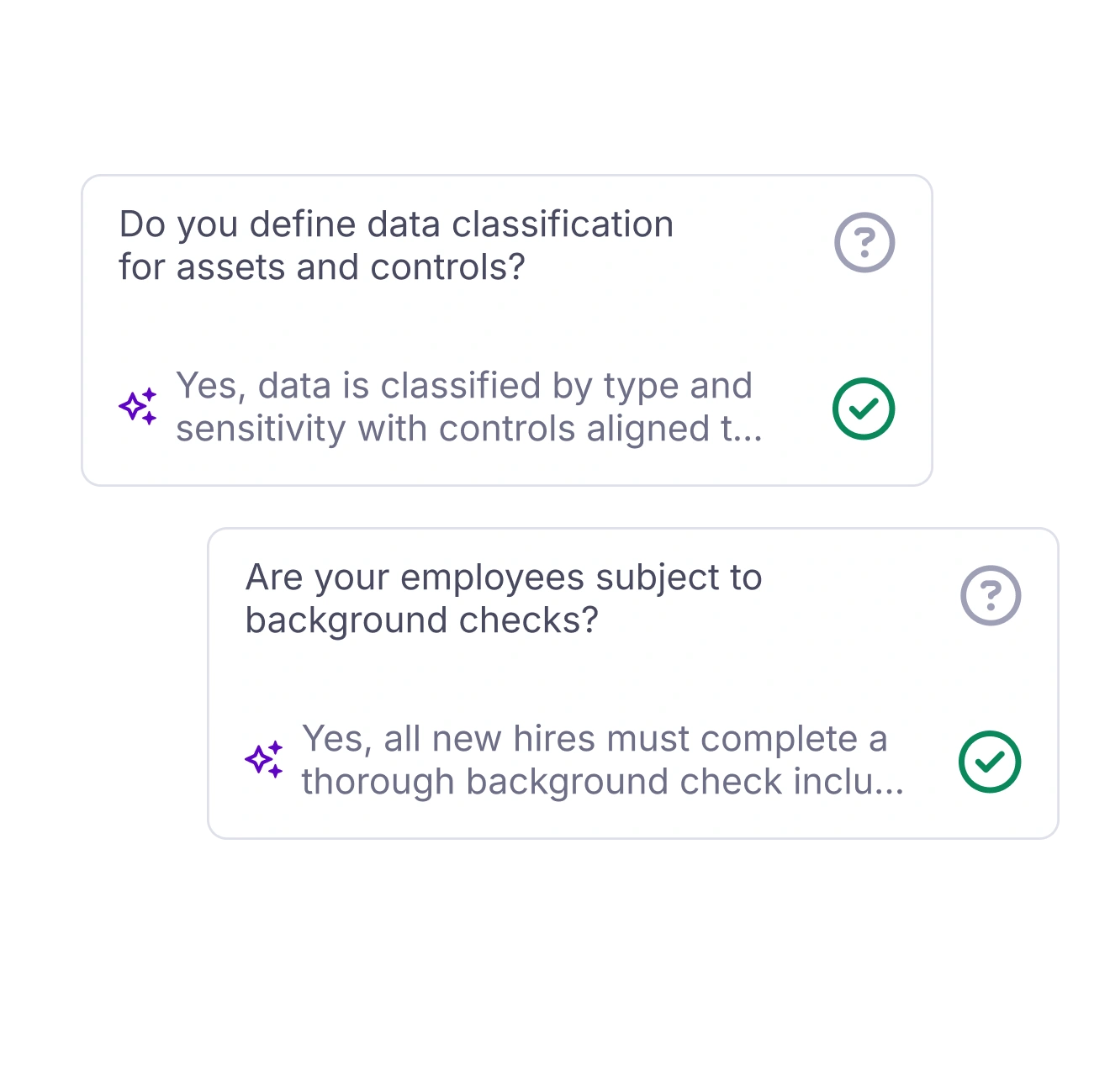
Questionnaire Automation
Let the Vanta Agent draft your questionnaire responses.
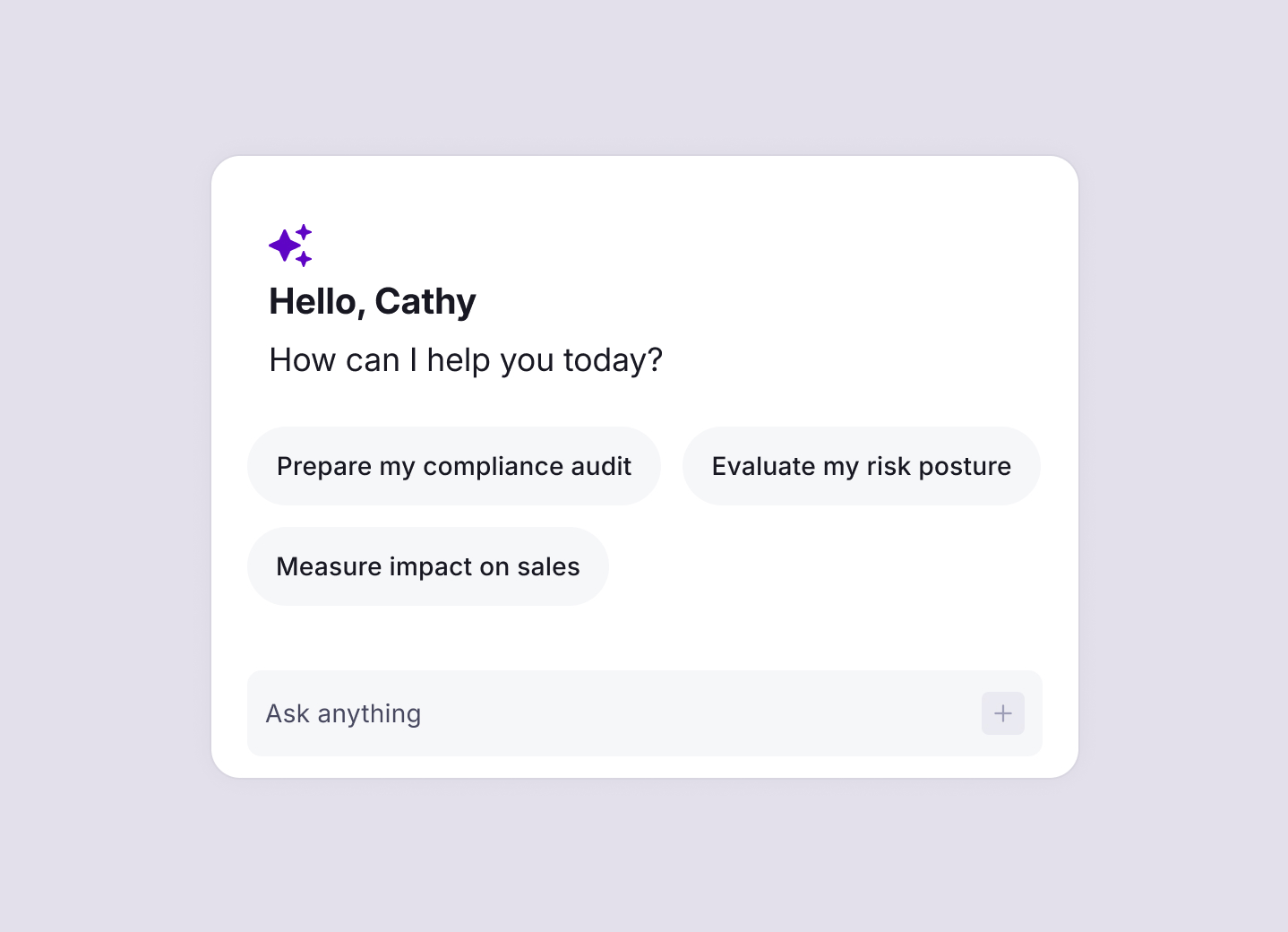
The Vanta Agent: your 24/7
GRC engineering team
The Vanta agent is everywhere you need it to be—drafting policies, completing your questionnaires, calling out issues, and generally making you wonder what you did before it existed.
Built for you
Whether you're managing a complex program or just getting started.

Startups
Are you a startup founder in need of a SOC 2 yesterday, but lacking time and resources? We'll automate the process and get you big-deal-ready.


Mid-market
Security leaders, keep scaling fast—no need for more headcount. Vanta automates and continuously monitors your program, so you can do more with the team you have.




Enterprise
Vanta combines compliance, risk, and proof, right where CISOs and security leaders need them—clearly visible and all on one platform.



FAQ
HIPAA (Health Insurance Portability and Accountability Act) is a U.S. federal law that sets standards for protecting sensitive patient health information. It includes the Privacy Rule (governing PHI use and disclosure), the Security Rule (requiring administrative, physical, and technical safeguards for ePHI), and the Breach Notification Rule. Organizations that handle PHI must comply with all applicable HIPAA provisions.
HIPAA applies to covered entities (healthcare providers, health plans, and healthcare clearinghouses) and their business associates—any organization that creates, receives, maintains, or transmits PHI on their behalf. This includes SaaS companies serving healthcare customers, cloud hosting providers, billing platforms, and any vendor with access to patient data.
HIPAA spans multiple rules with dozens of required and addressable safeguards across administrative, physical, and technical domains. A checklist breaks these requirements into actionable steps, helps you prioritize by risk level, and ensures you're addressing all applicable provisions—not just the ones that are most visible.
There's no formal HIPAA certification or audit—compliance is self-assessed and enforced through OCR investigations. Most organizations need 3–6 months to implement the required safeguards, conduct a risk assessment, establish policies, and train their workforce. Ongoing compliance requires continuous monitoring and annual risk assessment updates.
The HIPAA Compliance Checklist
HIPAA compliance involves fulfilling the requirements of the initial Health Insurance Portability and Accountability Act (HIPAA) of 1996 and its related legislation. Organizations with access to protected health information (PHI) are obligated to comply with HIPAA to maintain the security of patient data.
Vanta’s HIPAA checklist will help you simplify your path to HIPAA compliance. Here’s what’s inside:
- An overview of the steps needed to get HIPAA compliant.
- Steps needed to organize your team for HIPAA compliance.
- What to do to maintain compliance.


%201%20(1).svg)


%201.svg)
