
ISO 27001 Internal Audit Checklist
Preparing for an ISO 27001 certification audit starts with a strong internal audit. This checklist—created by Vanta and BD Emerson—guides you through every step of evaluating your Information Security Management System (ISMS) before the external audit.
The customizable checklist walks you through:
- How to define your audit scope, schedule, and roles
- Internal audit requirements by clause (4–10)
- Statement of Applicability (SoA) guidance for Annex A controls
- Post-audit remediation and continual improvement
Built to be audit-friendly, the checklist helps you identify gaps early, align your teams, and track progress toward ISO 27001 readiness—all while saving valuable time.
An ISO 27001 internal audit checklist helps organizations evaluate their Information Security Management System (ISMS) before the external certification audit. Internal audits are a mandatory requirement of ISO 27001—they must be conducted at planned intervals to confirm that controls are implemented, operating effectively, and aligned with the standard's requirements.
This checklist covers the full internal audit process, from defining scope and evaluating each clause (4–10) through Statement of Applicability guidance and post-audit remediation, helping your team surface gaps early rather than during the certification audit itself.
FAQ
An ISO 27001 internal audit is a systematic evaluation of your organization's ISMS conducted by an internal team or third party before the external certification audit. It assesses whether your security controls, policies, and procedures meet the requirements of each ISO 27001 clause. Internal audits are mandatory under the standard and must be conducted at planned intervals.
Any organization pursuing or maintaining ISO 27001 certification. Internal audits are required by the standard itself (Clause 9.2), so this applies to every certified organization. It's especially useful for teams conducting their first internal audit or those without a dedicated internal audit function.
ISO 27001 spans 10 clauses and 93 Annex A controls—evaluating each without a structured approach risks missing critical gaps. A checklist ensures systematic coverage of every requirement, helps organize evidence collection by clause, and creates a documented trail that external auditors expect to see.
Most organizations need 6–12 months to build their ISMS and implement the required controls, followed by a Stage 1 (documentation review) and Stage 2 (operational audit). Timeline depends on company size, scope, and whether you have existing controls that map to ISO 27001 requirements.
ISO 27001 Internal Audit Checklist
Preparing for an ISO 27001 certification audit starts with a strong internal audit. This checklist—created by Vanta and BD Emerson—guides you through every step of evaluating your Information Security Management System (ISMS) before the external audit.
The customizable checklist walks you through:
- How to define your audit scope, schedule, and roles
- Internal audit requirements by clause (4–10)
- Statement of Applicability (SoA) guidance for Annex A controls
- Post-audit remediation and continual improvement
Built to be audit-friendly, the checklist helps you identify gaps early, align your teams, and track progress toward ISO 27001 readiness—all while saving valuable time.
The Agentic Trust Platform powering security for over [customer_count] customers


An ISO 27001 internal audit checklist helps organizations evaluate their Information Security Management System (ISMS) before the external certification audit. Internal audits are a mandatory requirement of ISO 27001—they must be conducted at planned intervals to confirm that controls are implemented, operating effectively, and aligned with the standard's requirements.
This checklist covers the full internal audit process, from defining scope and evaluating each clause (4–10) through Statement of Applicability guidance and post-audit remediation, helping your team surface gaps early rather than during the certification audit itself.
It’s all here
Compliance, risk, and proof. All in the #1 Agentic Trust Platform.
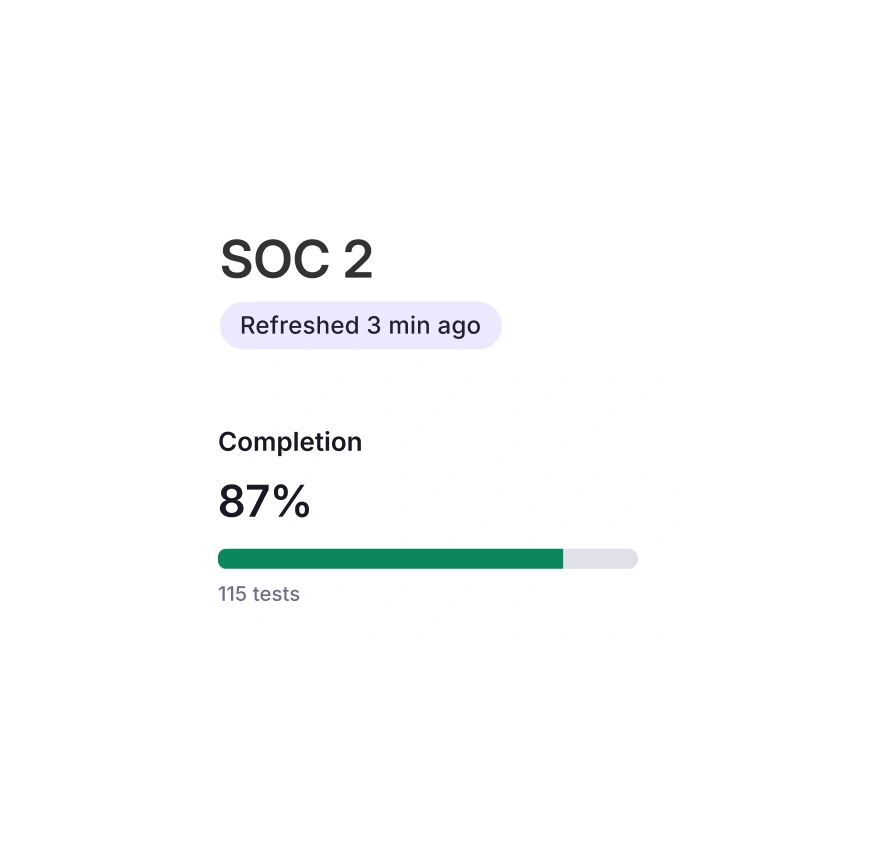
Compliance
Get and stay compliant with automation and continuous monitoring.
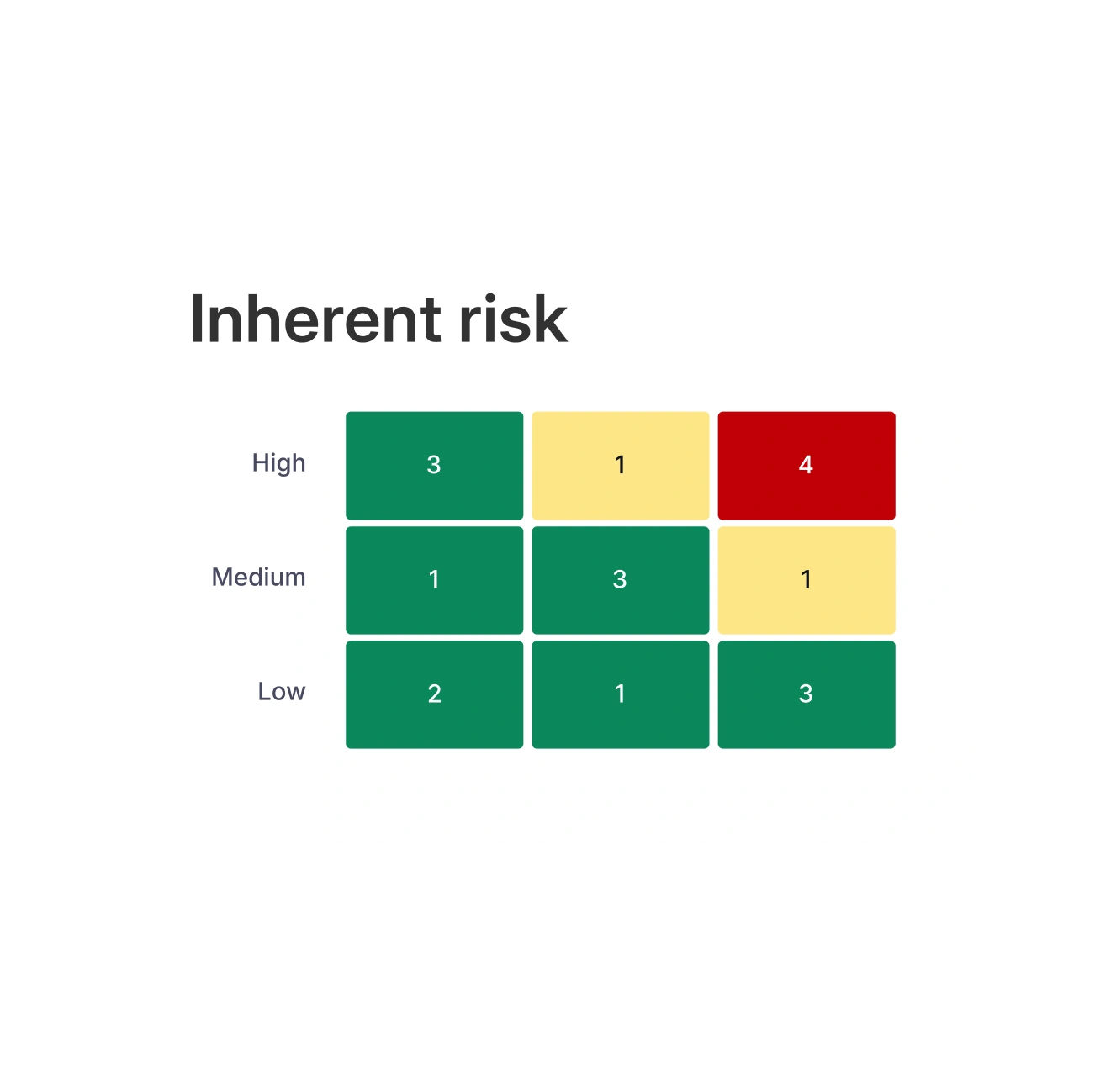
Risk
See and manage risk in one place.
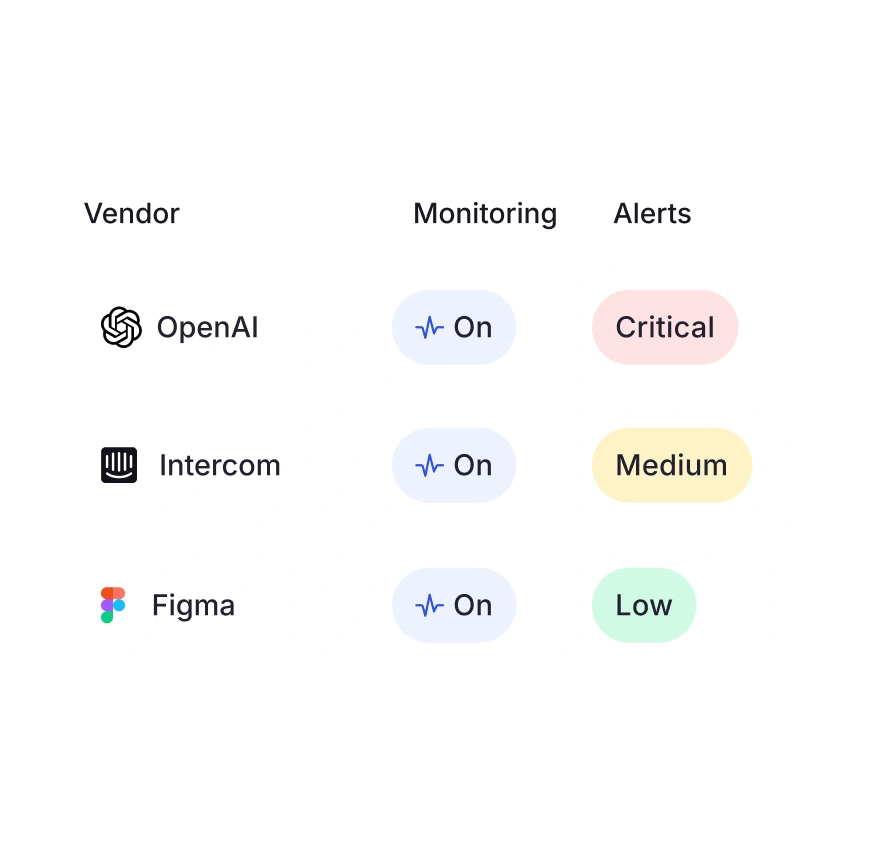
Third Party Risk
Stay on top of vendor risk with Vanta's Agent for TPRM.
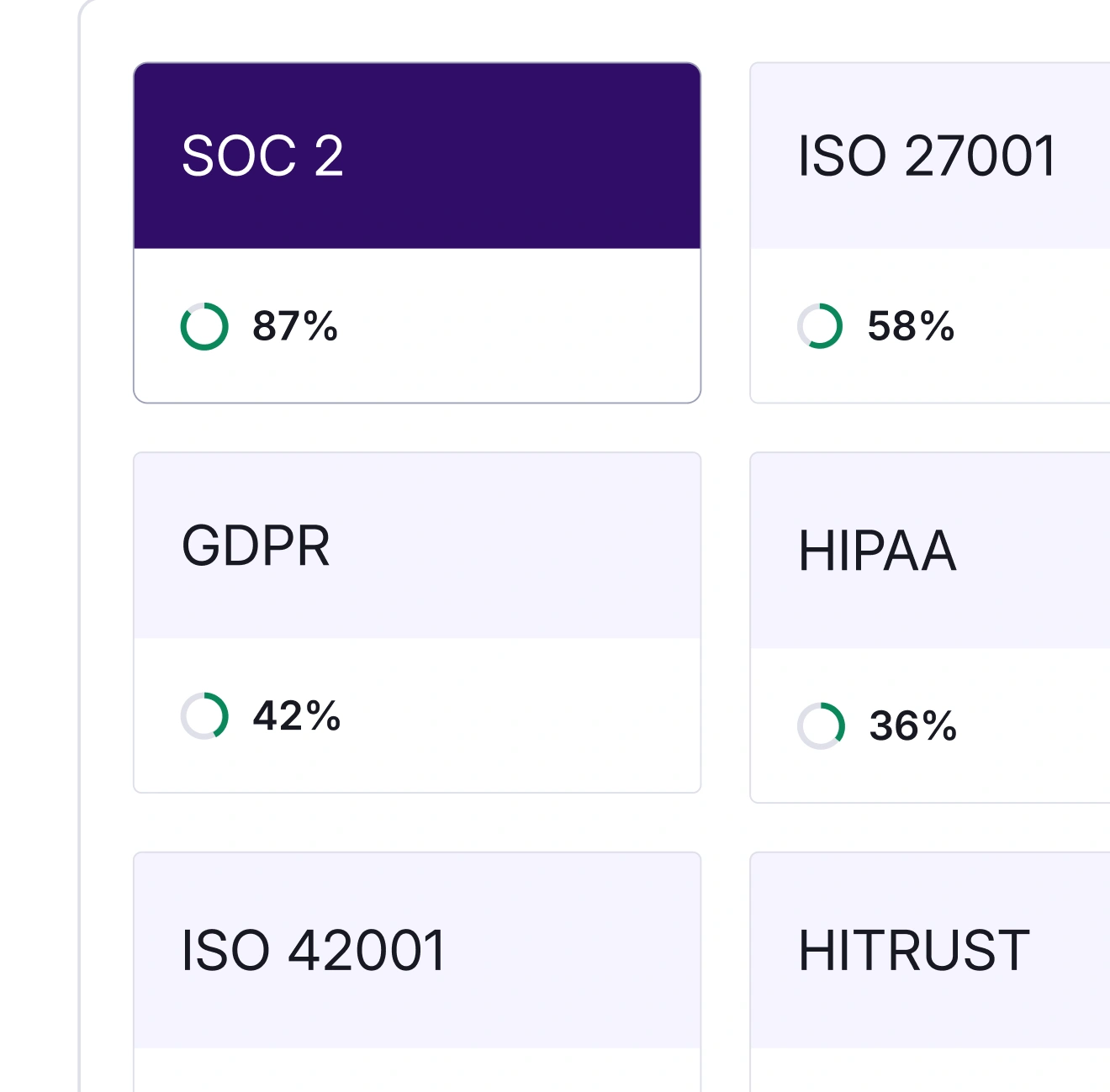
Audit
Audit prep with ease, no spreadsheets required.
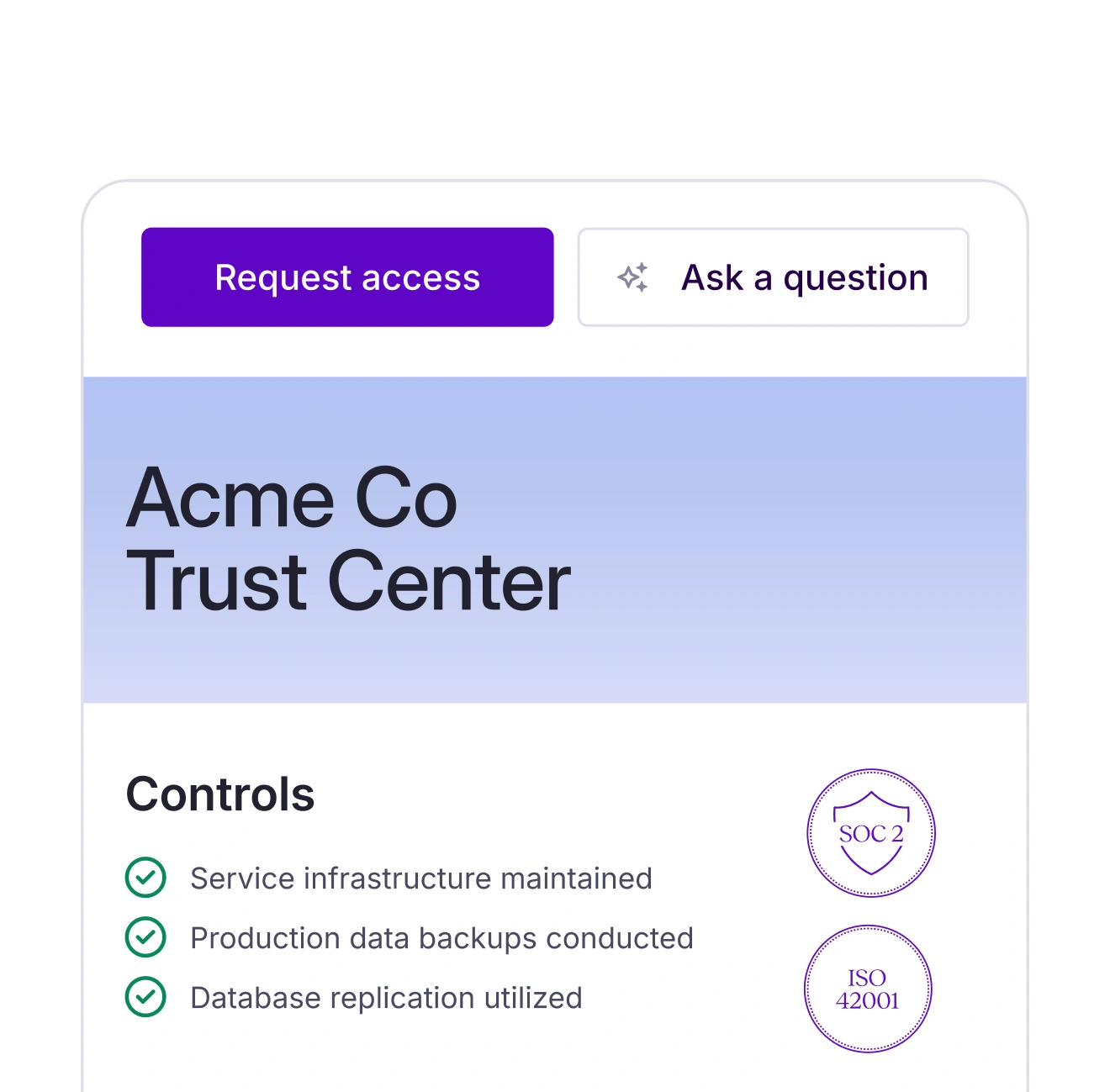
Trust Center
Showcase your security posture in real time.
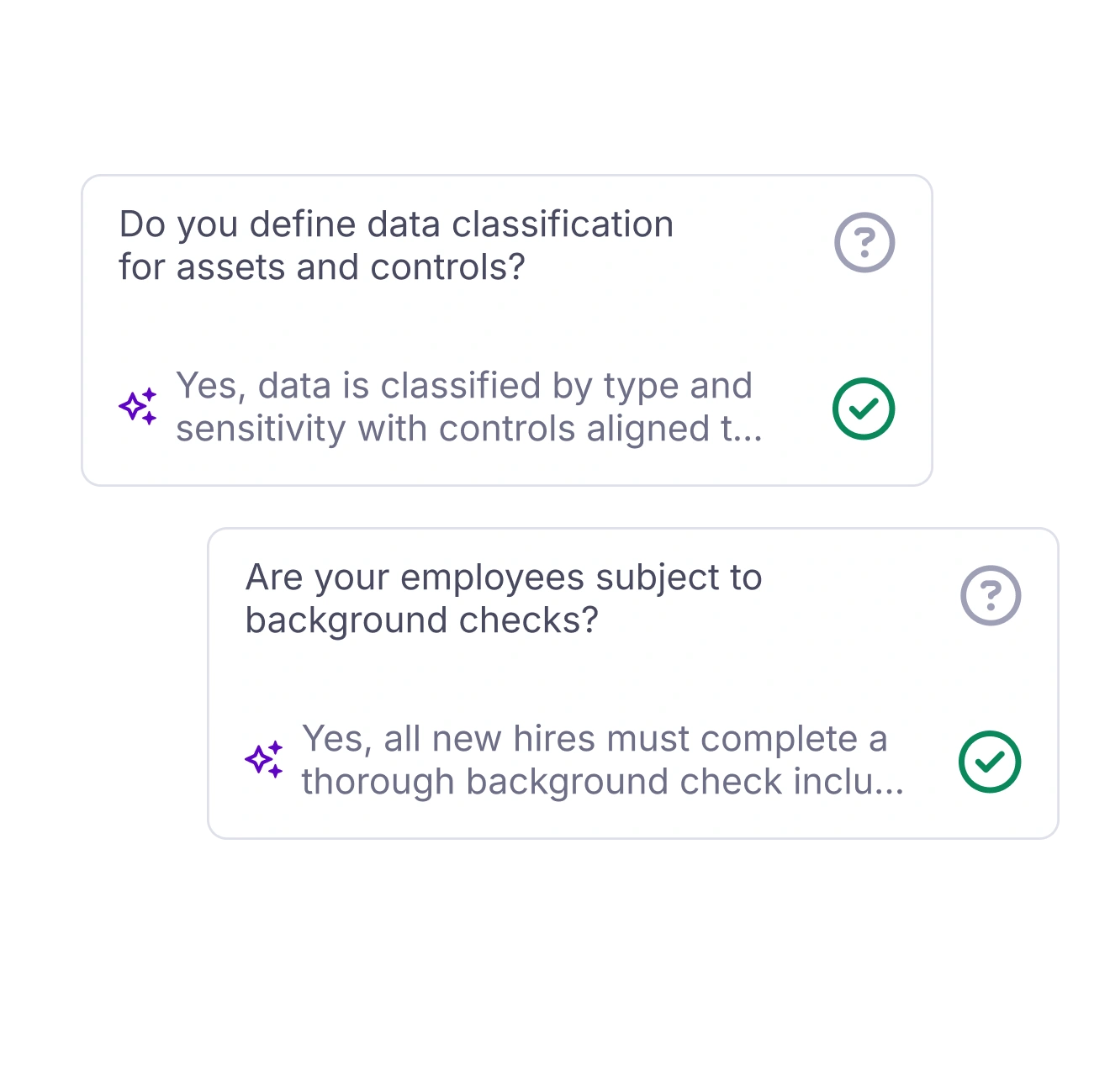
Questionnaire Automation
Let the Vanta Agent draft your questionnaire responses.
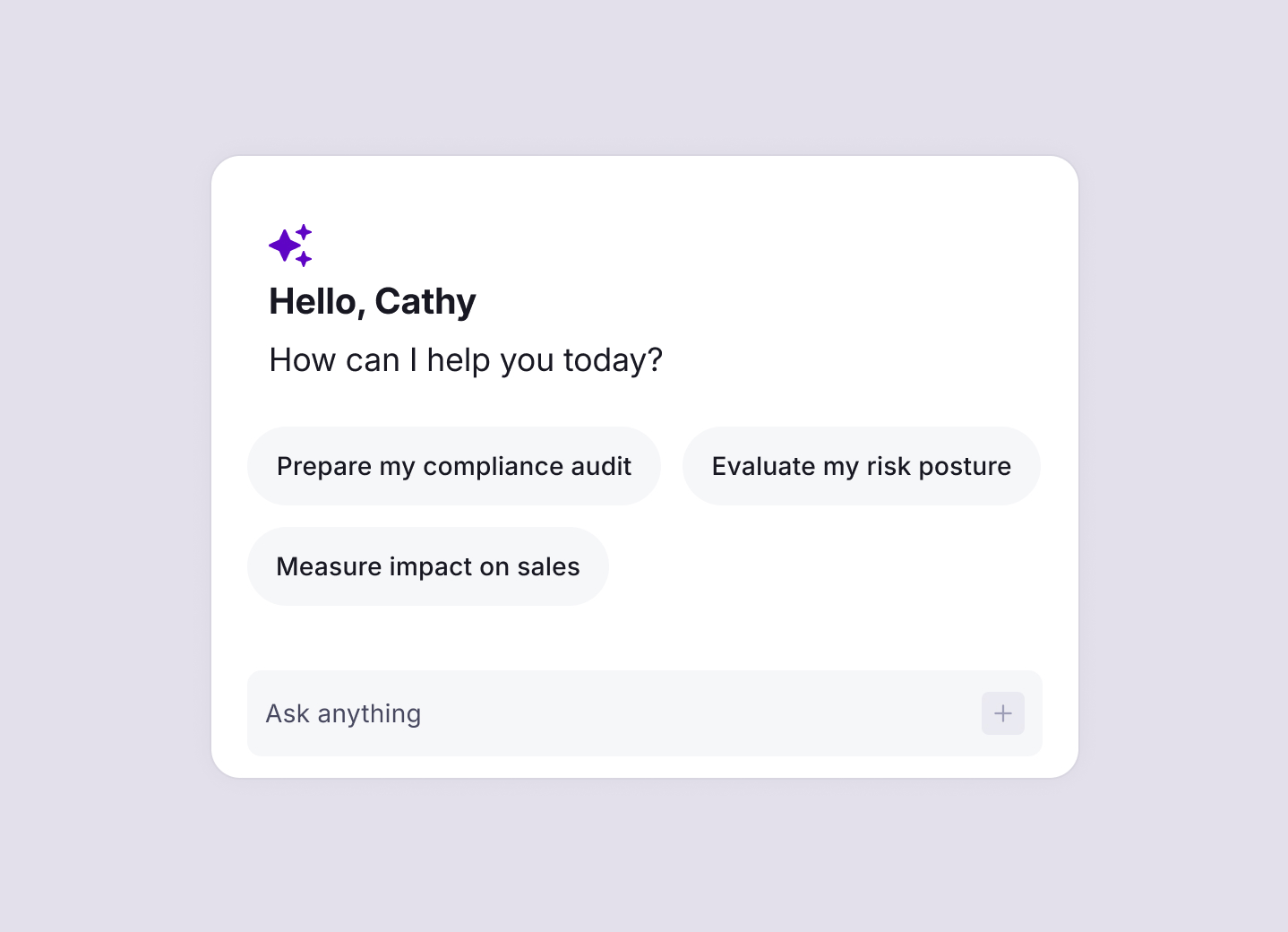
The Vanta Agent: your 24/7
GRC engineering team
The Vanta agent is everywhere you need it to be—drafting policies, completing your questionnaires, calling out issues, and generally making you wonder what you did before it existed.
Built for you
Whether you're managing a complex program or just getting started.

Startups
Are you a startup founder in need of a SOC 2 yesterday, but lacking time and resources? We'll automate the process and get you big-deal-ready.


Mid-market
Security leaders, keep scaling fast—no need for more headcount. Vanta automates and continuously monitors your program, so you can do more with the team you have.




Enterprise
Vanta combines compliance, risk, and proof, right where CISOs and security leaders need them—clearly visible and all on one platform.



FAQ
An ISO 27001 internal audit is a systematic evaluation of your organization's ISMS conducted by an internal team or third party before the external certification audit. It assesses whether your security controls, policies, and procedures meet the requirements of each ISO 27001 clause. Internal audits are mandatory under the standard and must be conducted at planned intervals.
Any organization pursuing or maintaining ISO 27001 certification. Internal audits are required by the standard itself (Clause 9.2), so this applies to every certified organization. It's especially useful for teams conducting their first internal audit or those without a dedicated internal audit function.
ISO 27001 spans 10 clauses and 93 Annex A controls—evaluating each without a structured approach risks missing critical gaps. A checklist ensures systematic coverage of every requirement, helps organize evidence collection by clause, and creates a documented trail that external auditors expect to see.
Most organizations need 6–12 months to build their ISMS and implement the required controls, followed by a Stage 1 (documentation review) and Stage 2 (operational audit). Timeline depends on company size, scope, and whether you have existing controls that map to ISO 27001 requirements.
ISO 27001 Internal Audit Checklist
Preparing for an ISO 27001 certification audit starts with a strong internal audit. This checklist—created by Vanta and BD Emerson—guides you through every step of evaluating your Information Security Management System (ISMS) before the external audit.
The customizable checklist walks you through:
- How to define your audit scope, schedule, and roles
- Internal audit requirements by clause (4–10)
- Statement of Applicability (SoA) guidance for Annex A controls
- Post-audit remediation and continual improvement
Built to be audit-friendly, the checklist helps you identify gaps early, align your teams, and track progress toward ISO 27001 readiness—all while saving valuable time.
Download

Interested in learning more about Vanta?

%201%20(1).svg)


%201.svg)
