Share this article


Accelerating security solutions for small businesses Tagore offers strategic services to small businesses. | A partnership that can scale Tagore prioritized finding a managed compliance partner with an established product, dedicated support team, and rapid release rate. | Standing out from competitors Tagore's partnership with Vanta enhances its strategic focus and deepens client value, creating differentiation in a competitive market. |
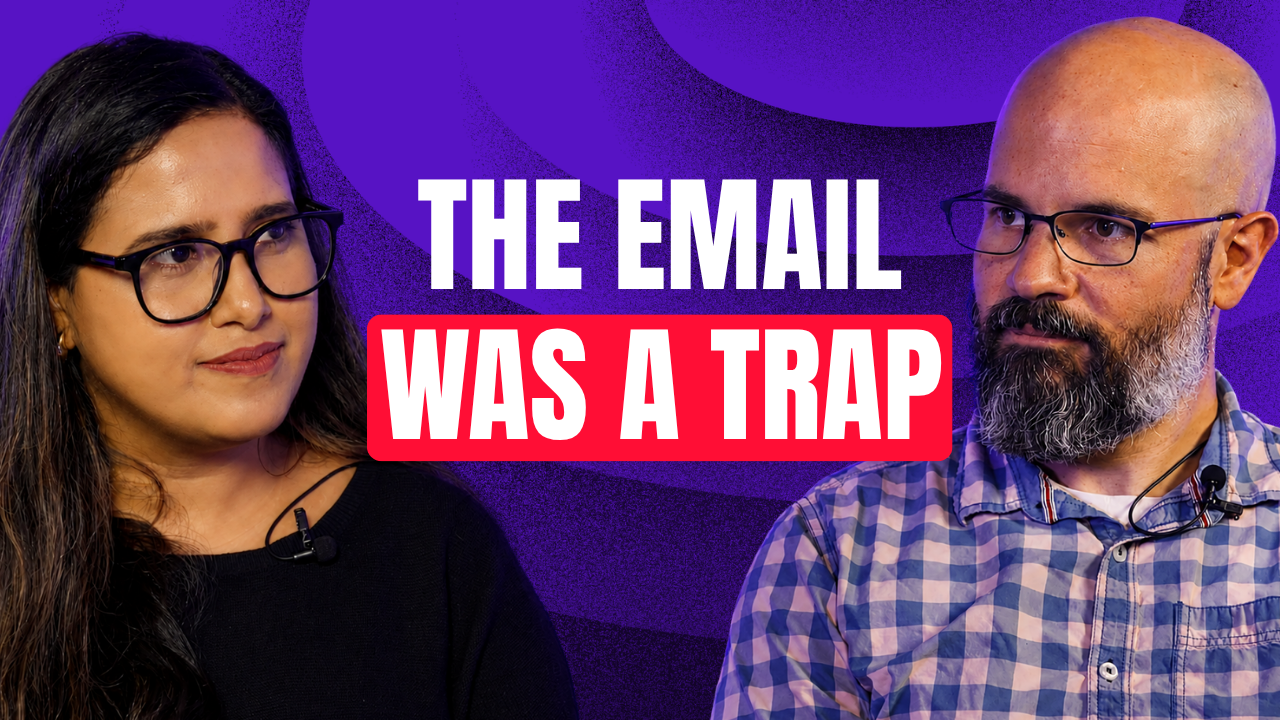
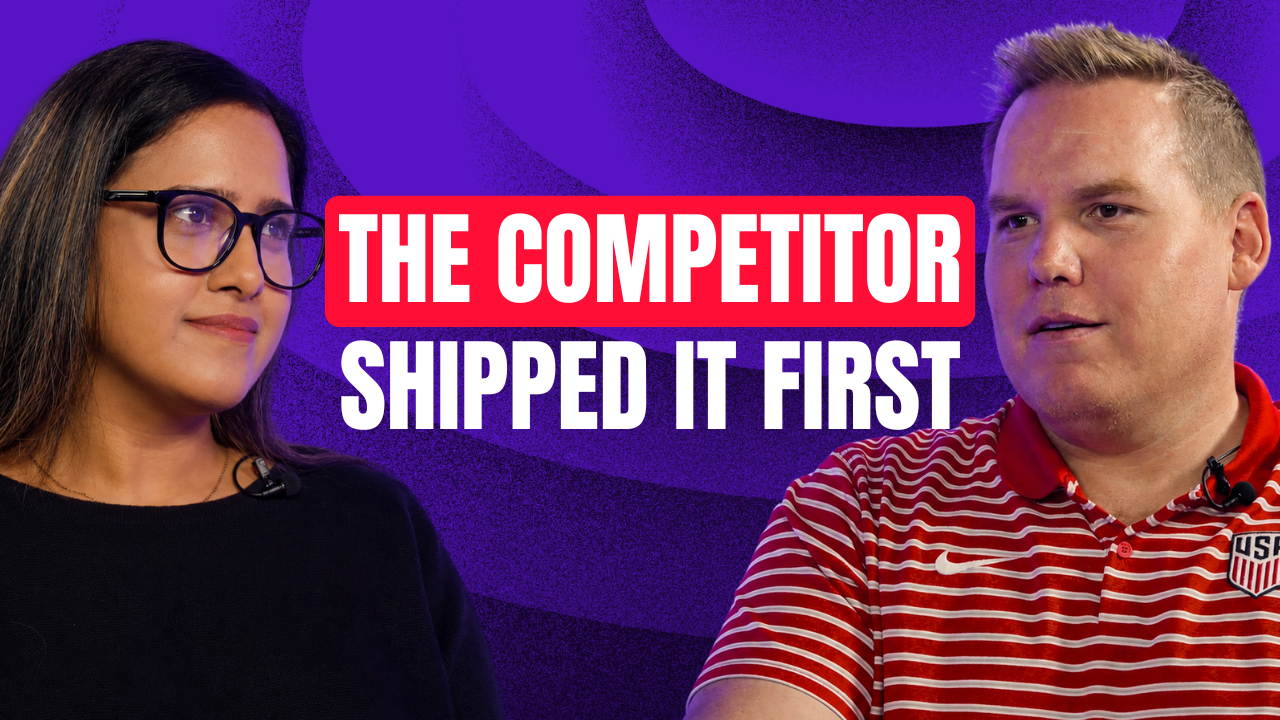
You're the CISO at Riverline, a 1,900-person data infrastructure company. A little before 9:00 on a Monday, your head of IT flags something from the weekend: one of your most productive engineers has remote access software running on his laptop around the clock. The laptop sits at his home in Ohio, but the sessions coming into it trace overseas. In this episode of The Tabletop, Terry O'Daniel takes the hot seat and works the problem in real time.
Terry has spent more than two decades building security, risk, and compliance programs at scale, at Netflix, Salesforce, Yahoo, and Instacart, and as CISO at Amplitude. He's now a fractional CISO at Eudia.
Host Khush Kashyap drops Terry into the following scenario: a trusted, high-performing engineer may not be who his HR file says he is, and the deeper the team digs, the less it can prove about who's behind the account or what has left the building.
Terry works the signals, the hard calls, and the escalations as the situation keeps shifting under him. At the end, he renders his verdict: real incident or constructed fiction?
[00:00] Welcome to The Tabletop: Meet Terry O'Daniel, Fractional CISO at Eudia
[00:50] The Rules: CISO at Riverline, a 1,900-Person Data Infrastructure Company
[01:25] The Scenario: Your Most Productive Engineer and a Laptop That Never Sleeps
[03:45] Inject One: Remote Sessions Since Week Two and a Camera That's Always Off
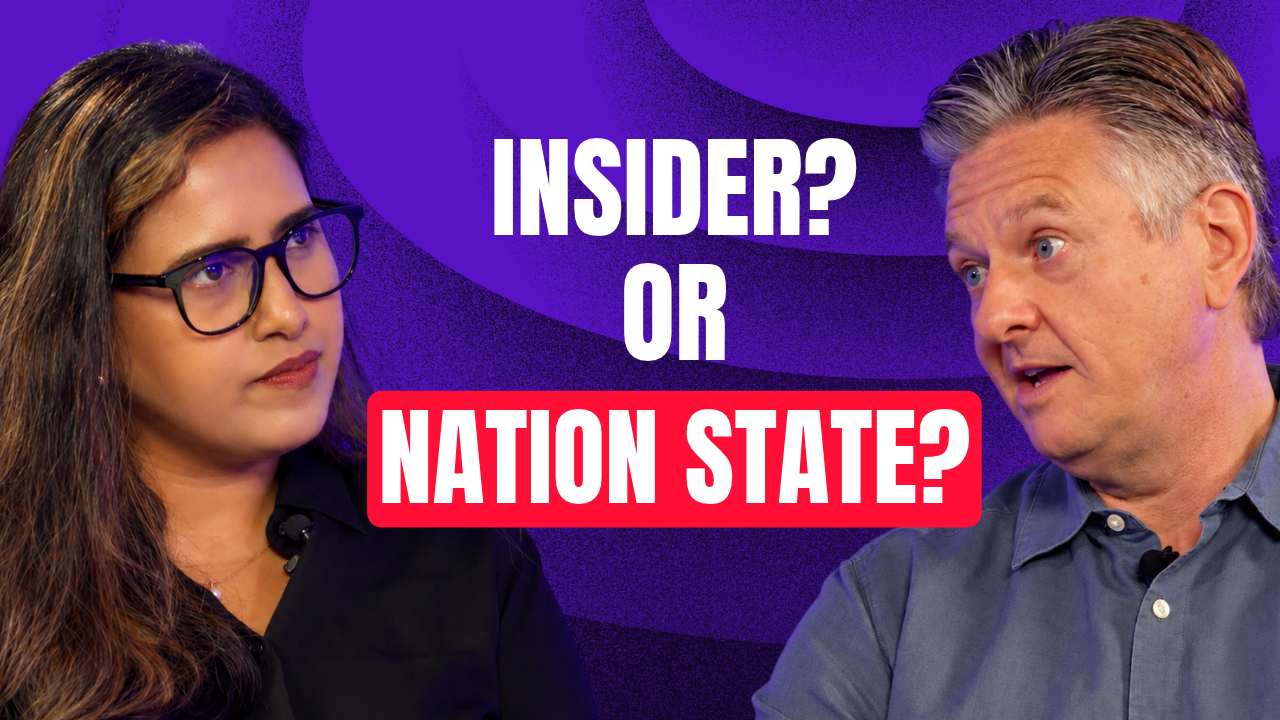
[05:40] Insider, Identity Fraud, or Nation State? Keeping North Korea on the Table
[08:45] Cut His Access and Tip Him Off, or Keep Him Live and Watch?
[12:05] Inject Two: Three More Hires, One Referral, and No Sign the Data Left
[20:40] Inject Three: Daniel Resigns, Then the Ransom Demand Lands
[24:30] Do You Pay? Holding the Line on Extortion
[30:20] The Assumption That Breaks the Chain: Is Joe Really Joe?
[32:25] The Moment of Truth: Real Incident or Fiction?
[33:05] The Reveal: North Korean IT Workers and the Laptop Farms
Terry: I'm excited to be, uh, thrown into the fire.
Khush: One of your most productive people has a laptop with remote access software running on it around the clock.
Terry: My spidey sense tingles a little bit.
Khush: Apologies, but things are about to get worse.
Terry: Oof.
Khush: I am Khush Kashyap, senior director of GRC at Vanta and your host for The Tabletop today. Today I'm joined by Terry O'Daniel. He's the fractional CISO at Udia with more than two decades of experience building security, risk, and compliance programs at scale. He previously served as CISO at Amplitude and led security and compliance at Instacart.
After building the security assurance function in Netflix and technology risk and compliance programs at Salesforce and Yahoo. Terry, thank you so much for joining us.
Terry: Oh, that's very kind, Khush. Thank you for it so much. I appreciate it. And I'm, I'm happy to be here. I'm excited to be, uh, thrown into the fire.
Khush: So looking forward to this one. So Terry, here are the rules. You are now the CISO at Riverline. It's a 1,900-person data infrastructure company with a security team of 24 people. A scenario will unfold with multiple injects. You'll share your live reaction, and at the end you'll have to decide, is this real incident or is it fiction?
Terry: All right. Very fun.
Khush: Terry, are you ready for the tabletop?
Terry: I'm ready.
Khush: Let's dive in. It's a little before 9:00 on a Monday. Your head of IT pulls you aside with something the endpoint team flagged over the weekend.
Terry: Mm.
Khush: One of your engineers, Daniel Cho, a senior platform hire who's been with you for six months and is frankly one of your most productive people, has a laptop with remote access software running on it around the clock.
Terry: Okay.
Khush: The laptop itself sits at his home address in Ohio, but the sessions coming into it trace overseas from a rotating set of countries. How much weight do you put on the signal right now, and what's your gut telling you?
Terry: Mm. Well, it behooves me to treat this as a potential, uh, a security event, and it behooves me to treat this as a potential insider risk, an insider threat until I know more.
But I, I do wanna know more. I wanna know what ac- IT actually saw. I want to understand the data points, not just the outcomes that they're inferring from it. I, I'd like to understand is this... Are these, um... Are these authentication failures? Are they, um... I- is, is it just tracking the endpoint movement, or is the endpoint, you know, s- solely showing up as, uh, as fixed in place in Ohio?
And network traffic. Hmm. I wanna know a lot about the network traffic and, and how and where we're able to trace that. Those, those give me the, the core data points to understand, first of all, which route to take to investigate, and gives me a, a, a good gut sense of the risk and, and how much to prioritize this.
Khush: So here is your inject one.
Your team pulls the thread. Here's what the next few hours turn up. The remote sessions aren't new. They go back to Daniel's second week. Whoever is doing this has been doing it nearly his entire tenure, and your tooling only caught it this weekend Daniel's camera has been off for every single call since he started.
Bad bandwidth, he... tho-those are the kind of excuses he says. Since he's remote, no one has met him in person yet. The bank account payroll deposits into is real and US-based, but the name on it doesn't quite match the person your team is working with. Okay. And here is the uncomfortable part. Daniel's work is generally good, and he's really well-liked by the team.
What do you do in the next 10 minutes?
Terry: What, what exactly triggered the alert? Was it simply the fact that IT was able to detect the, the remote access being up 24/7? Is that what was first detected this weekend?
Khush: Yes. Mm-hmm. The remote access software running on it around the clock.
Terry: Okay.
Khush: The sessions coming into it were tracing overseas from a rotating set of countries.
I think that's the main alert that got triggered this weekend, and then they started looking into it more.
Terry: Yeah, yeah. Well, what does this, uh, account have access to, right? W-we've broken the, the Auth N to Auth Z chain because I don't know necessarily that this person is the... th-this user account is the person it's supposed to be.
However, it doesn't look like they're misusing privileges so far. So that's the first thing I'd like to know, is, is this truly an Auth N failure, or is this an Auth Z failure as well? So I wanna understand in the first 10 minutes access that has been done by that account, uh, maybe over the past two weeks or something like that.
I wanna limit the scope so I can get quick data back rather than trying to boil the ocean. Uh, I wanna understand what's been accessed. I wanna understand if there have been any, any access failures. Mm. So in other words, is this, is this account trying to get into various things, and they've failed, but it hasn't riven, risen to the aggregate level such that we, you know, some-something was triggered in our SIEM or something like that?
And I wanna understand a little more about the endpoint itself. What else is running on the endpoint? What else has been... Has anything been modified on the endpoint? Things like that.
Khush: I think that's great.
Terry: Yeah.
Khush: What is your hunch telling you? Does this feel like an insider threat, an identity fraud case, or a nation state problem?
Terry: I am definitely going to assume that there's some level of insider threat here. Um, if you'd asked me the same question a, a year ago, I probably would've had a different answer. But, um, I've had the, the privilege to be in some amazing, uh, CISO events. And, and my understanding of, of how real the, the nation state threat of e-especially, uh, North Korean actors impersonating, uh, US actors has changed.
And frankly, the, um... I misunderstood originally the attack vector. Is it, is it a, a data play? Is it an access play? And, and what I found is sometimes it's, it's a pure financial play.
Khush: Hmm.
Terry: So, um, I am keeping North Korean actors specifically on the table because it is, um, a lot of the other, uh, data, data points don't solidly point to it, but they give me a, they give me a sense.
Got it. My spidey sense tingles a little bit from the l- the lack of camera since day one and things like that. So I do think that my instincts are telling me there's a lot of little data points here that speak to the possibility of, uh, certainly the possibility of inside a threat, but it's very likely that this is a n- a nation-state actor, specifically North Korean actor
Khush: Mm-hmm.
At this point, does this impact your trust in your own hiring pipeline?
Terry: I think y- the answer is yes, and it's a little late.
Khush: Mm.
Terry: Um, if I have trusted the hiring pipeline that solidly for that long, yes, we, we have some, some cleanup work to do too.
Khush: Got it. My final follow-up question on this one is, does Daniel's appearance as a highly productive, strong employee make this more alarming to you or less?
Terry: If anything, it's a great cover. Mm. Um, if you have one, or let's say even a, a team of skilled engineers, it's very easy to be highly productive if, especially if you have more than one person running that account.
Khush: Mm.
Terry: It does give me a little pause because the easiest thing to do in these cases is to sort of hit, um, to hit the middle ground and not, uh, not stand, not stand out too much.
Either too productive or not productive enough. So it, it gives me a little pause, but, but not enough for me to take nation-state actor off the table.
Khush: Daniel isn't a low privilege contractor. He has commit access to core repositories, admin rights on internal tooling, and read access to parts of production.
Terry: Mm.
Khush: Do you cut his access right now knowing it could be a tip-off, or do you keep him live and watch and accept that exposure?
Terry: I'm gonna make the tough choice to say I'm gonna leave that access open because I need more data before I can make, uh, decisions including sending a signal to a potential real employee that they are untrusted.
Khush: Hmm. Got
Terry: it. So not yet.
Khush: Okay. So if you're going to keep him on, his access on, what's the one guardrail you put up to limit what a single engineer account can carry out?
Terry: In this case, I'm much more likely to think that after six months, um, the, the long con is in in effect, and therefore it's about the data.
The most tangible risk for the company that I'm trying to protect here is data, so monitoring both access to, uh, access, when the data's being accessed, but especially if any data is being changed or any data is being exfiltrated. It's pretty easy to put an exfiltration monitor in place, um, even for an individual user, and it wouldn't tip them off, right?
I can simply... Th- they can still do their work, but on the back end, I am recording that, hey, suddenly it's, um, you know, it's, it went from bits and bytes per second to gigabytes per second. Something's going on here. And again, that gives me more data, and it wouldn't necessarily tip off the person that they're being observed.
Khush: Now it's time for Inject 2.
Apologies, but things are about to get worse.
Terry: Okay.
Khush: Your recruiting records show three more candidates came in through the same referral contact in the months after Daniel started. The referral contact on all three resumes, the same one, Daniel Cho.
Terry: Okay.
Khush: Two of them got hired. One is in data engineering, and one is in IT itself.
Their resumes also share a template. Their phone numbers follow the same VoIP patterns, and both asked during onboarding to have their company laptop shipped to a different address than the one on the paperwork. So when your team digs in, there is something even stranger. You can't tell that any data has actually left
Terry: Interesting.
Khush: Yeah.
Terry: I can't tell as in there's no data available to make that determination.
Khush: Mm.
Terry: Oof.
Khush: Where do you start?
Terry: Gosh. So the first thing I do is I, I expand the threshold of risk in my head, because we have actors now not only in the traditional SWE developer-type role, but, uh, data engineering and IT. And that, that adds a different twist, because at that point, you have people with access potentially to account records, to admin ability to change roles or permissions, to, um, modify or even delete logs, uh, to change log- both logs about access or permissions and logs about data flows and things like that.
So now I am worried, and now I am starting to take a step back and think this is a larger problem, and more importantly, it is a, a compound problem.
Khush: Mm.
Terry: Right? Where multiple factors work together in furtherance of a single goal. If this is a team of, again, let's presume, uh, nation state actors working together in coordination across multiple user accounts, um, then we're in trouble because there's a potential for them to not only have done a lot of things, but have covered their tracks.
Yeah. So at that point, that is enough data for me to change the risk profile, and it's enough data for me to say, um, while I still do not wanna tip them off, um, I need to convene, uh, some of our engineers together to start looking through some solutions that would give us the ability to understand what has happened e- even if it's, um, a log that we expect to be there has, is missing, or the date modified has changed, or something like that.
Khush: So imagine your CEO asks you, "What did they get?" What, what... How would you respond to this?
Terry: Well, my, my usual internal logic is once I, once I've defined an incident, after an hour-ish, I should have some early indicator to send up the chain to the CTO, whoever I'm reporting to, some of the, the, um, you know, key players in the organization.
Th- this is about the time that I should send a, a little note up saying, "We're, we're seeing some anomalies. We're investigating. Uh, give me a phone call if you wanna discuss further." The second you say there's, there's something weird, um, leadership wants to know the scope.
Khush: Mm.
Terry: Right? How... What's the last radius?
What could go wrong? What customers might be impacted? Things like that. And the toughest thing is I never know. I never know in the first hour what the, the answers to those questions are. So the- Short answer is going to be I am gonna be pretty transparent with the CEO about what we know and what we don't know.
What we don't know right now is the data piece. Hmm. We don't know what data has been changed, modified, et cetera. We are assuming that our con- controls in place are operating, but some of them might have been modified or what have you. So, um, we have some suppositions that people are not misusing, uh, their permissions at the moment.
They're using the permissions that they were supposed to. Mm-hmm. However, we think they might be, um, not the people that we granted those permissions to. So there, there's that larger issue. But the one thing I wanna do at this point is not blame HR.
Khush: Yeah.
Terry: That doesn't help anyone at this point, so I'm gonna have to, um, I'm gonna have to be a little blunt with the CEO and say, "We don't know.
This seems to be a, a problem that may have been in effect m- up to six months. It's gonna take us a little time to find out, and we are gonna be... walk a little carefully so that we don't tip our hand and, you know, lose a bunch of data or, or any other catastrophic incidents."
Khush: Yeah. While it may not be a good idea to, like, involve HR or let them know that their hiring is not working or their background checks are not working, would you tear up your remote hiring pipeline today, mid-ramp, with 40 roles open?
Terry: It's a tough one. I think we have to get better.
Khush: Hmm.
Terry: And I think we have to be bolder, uh, in our hiring processes because I don't think the world is gonna change. I don't think that we security folks have been aggressive enough, let's say, in working with our IT partners who, who frankly are the, the sort of gateway to HR- Mm-hmm um, around identity and around identity validation. Everything from catching deepfakes to setting standards such as y- you must have video interviews. Um, camera must be on at a certain amount of time. You must run, you know, deepfake checkers and things like that. And I think in the security community, we haven't pushed hard enough to say, "This is a very real threat, and it can impact every level of the company.
It could be a, a existential threat to our company." Yeah. We have to push a little harder and say, "Yes, we must do this control and this check and this data, et cetera."
Khush: My final question on this thread is: At what point do you call the FBI?
Terry: Yeah. Not yet. I've had to loop in the FBI for previous events. Um, it's rare that the events that are happening at a commercial level are at the scope and, and breadth and depth that the FBI can truly help us in the short term, so frankly, it's not something that I'm gonna prioritize.
Right now, I'm, I'm prioritizing our company, our assets, our customers, and things like that.
Khush: Got it. Okay. Now it's time for Inject Three.
Terry: No.
Khush: So as you stated before about what your team's next steps would be, your team quietly begins to lock accounts. Two hours later, Daniel's manager gets a message: "Daniel has resigned effective immediately."
Terry: Oof.
Khush: A minute later, a different email lands from an address you don't recognize with a sample of your source code attached and a demand.
Oh, no. Pay or the code and whatever customer data these accounts could reach goes public. How do you respond to that?
Terry: Oof. Let's hope that I have, uh, done in this role what I always do, um, which is to have an early conversation with leadership about The risks and costs of, uh, protecting against ransomware.
Mm. You know, c- c- coming from a infrastructure and operations engineering background, I'm a big believer in process and drilling, not because it's fun, um, but because it builds that internal strength, and it helps you face these tough issues when it- when the fire is not on. Keeping our own source code safe seems like, in the moment, it should be the bigger threat because honestly, that's a po- potential exis- existential risk for this company.
But my perspective at this point is gonna be that's secondary. The, the, the worst thing we can do right now is to lose our customers' data, especially if there's any regulatory data there, the PHI, PII, et cetera. This is the time to contact the FBI, um, because I need all the help, the resources, and background, and, and support I can at this stage, and it has now become an officially a criminal incident because there's been a ransomware demand.
Mm. So now I feel absolutely comfortable in involving the authorities. Secondly, we have to split, uh, our approach here because- Mm ... I am now gonna be consumed, 100% of my time plus is gonna be having that leadership-level conversation, and I cannot be leading the actual technical, tactical incident because the clock is ticking, and there re- are likely things that we can do.
We can validate backups. We can, we can do other things like that. I don't wanna lose the, lose the technical thread of, again, what's the blast radius, uh, are there any compensating controls, and things like that.
Khush: Mm-hmm. Do you pay the extortion?
Terry: I will always try to encourage leadership not to pay-
Khush: Mm
Terry: because they're... at, at best, if you pay and you have the situation resolved, there's no guarantee and no way to prove that there's not another copy of the data, there's not, uh, some second demand that's gonna come. That is the problem, is that if you show weakness, you've just shown that you are a, a target that can probably be exploited more than once.
So I will always try to hold the line, and I, my guess is that our, our, uh, law enforcement counterparts would, would say the same. Um, but this is where it goes back to, honestly, if we haven't done the work to understand what the risk is of a, of a data breach, if we haven't understand- understood what a ransomware attack truly is, which is just a data problem- Hmm
right? Um, then we might be stuck, and it's not my decision. It's leadership's decis- It's a, it's a business decision at that point. It's not a security decision.
Khush: I wanna understand your perspective and point of view about contractual obligations here. Mm. You have contractual notification clocks with enterprise customers.
Yeah. Do you start those now on a demand email, or do you start them after forensics is complete?
Terry: If I just get a ransom demand, um, that speaks to some of the, um, you know, corresponding details and is a threat, that's one thing. If they're actually sending me r- snippets of source code, snippets of customer data, and things like that, then yes, I have evidence that our data is outside our systems, and I do have to start the clock.
Of course, I'm gonna reach out to our, our, uh, general counsel, and I'm gonna start an, uh, attorney-client privilege conversation just to make sure that we can have an internal frank conversation. Anytime there's data involved is I, I loop in... But even, but sometimes before I loop in leadership, I loop in our, our general counsel, and I start having that conversation.
And again, hopefully we've, uh, we've drilled this a few times. We, we're not starting from scratch. We can just sort of pick up the procedure off the shelf, and we know how to create that Slack channel and loop in the right people, et cetera.
Khush: Fast-forward three weeks. You have pulled access on all three accounts, rotated every secret they could touch, and started notifications.
Terry: Hm.
Khush: The extortion address went quiet after you refused to pay. Investigators confirmed Daniel was never one person. Yeah. The identity was stolen from a real American, but the person actually doing the work was overseas, and the salary you paid on time every cycle for six months went somewhere you could have never approved.
Looking back at the whole arc of this incident and everything that happened before, the sharp interview, the glowing async messages, six months of genuinely good code, what was the single decision or the single assumption that led to this incident?
Terry: We have a chain of permissions, right? We have, we have, we have systems that have data.
To get access to that data or to manipulate that data, you have to have a certain permission. That permission's tied to a role. That role's assigned to an, a user account, and the user account, we hope, is a human And I think that's where the chain breaks down. We focus so much recently on who has the right permissions, are they misusing those permissions, et cetera, et cetera, and that was a good thing for us to focus on for the last 20 years.
But we've never really cracked the core problem of is, is Joe the user account really Joe the human? And I think it's time. We've got to start somewhere. Mm. We've got to, we've got to... This is, it's been a couple years now. It's time to get more and more serious about addressing deepfakes, and catching them and detecting them, not just during the interview process, but on an ongoing basis.
Khush: That makes sense, especially with the remote work culture.
Terry: Absolutely.
Khush: Yeah.
Terry: Yeah.
Khush: There's one more thread I want to close with you. The identity was stolen from a real person. Mm-hmm. Someone whose name sat in your HR systems for six months. What, if anything, do you owe to that person?
Terry: As a corporate employee, um, although I may have a, a personal desire to see this person ma- be made right, I am not responsible for the company's choice of, of what our obligation to that individual is.
But I would call out to our legal team that, um, we do need to at least make law enforcement aware of this. Mm. And law enforcement may ask for our assistance, uh, with that, and I, I will encourage our, our company to help as much as possible. But as I said, I think this is a, this is a larger, uh, cultural problem- Mm that we just haven't addressed. And, and if, until we make it, until we make it easier for people to understand the risks here, I don't think there's, there's a lot I can do to change that situation.
Khush: So Terry, now is the moment of truth.
Based on everything you have walked through, do you think the scenario is based on a real incident or is something completely fictional that we constructed?
Terry: I... It- it's hard not to believe this is real, because every, every piece that I've heard is, is real. Whether or not those are from ep- different incidents that you stitched together or not, this is, uh, every piece that you've mentioned I've heard from a real incident in the past.
So I'm, I'm gonna have to say it, it sounds real to me.
Khush: Well, we set a new record today. Yeah. Because you were the first CISO on our Tabletop podcast who was able to guess that, where the incident came from. Where did we constructed it, and you were, you are absolutely right. This specific incident is fictional.
We made up the story, but it's assembled piece by piece from a very real playbook. For several years now, as you know, thousands of North Korean IT workers have used stolen or borrowed identities to get hired into remote jobs at hundreds of American companies, including Fortune 500s. Um, as you mentioned, they work from overseas, but their company laptops sit in laptop farms run by US-based facilitators, so the logins look domestic.
One Arizona woman was actually sentenced to over eight years for running a farm for some 90 laptops out of her home. Wow. A security awareness training company, we won't name them, publicly admitted hiring one. Huh. And even our ending is real. By 2025, the FBI was warning that workers who get caught increasingly steal source code on the way out and extort their employers.
Terry: Sad, but not surprising anymore.
Khush: Now let's do a quick round of Off the Table, our chance to get off-the-cuff answers on big security questions for you. All right.
Terry: Let's do it.
Khush: What's the one assumption about remote hiring that most security teams are still making and shouldn't be?
Terry: In tech - for engineers, the market's hot. We wanna put our best face forward when we're hiring.
We wanna make it easy and, and slick and, and low touch. And I think that informs what standards we're willing to set, what controls we're willing to put in place and not, um, plus the speed, the speed of the process, right? Everyone knows that if you don't, you don't hire that person, they're gonna be snatched up the next day.
No one I've talked to outside the security community is aware - Hmm ... of the breadth of how bad the situation has been over the past few years, especially with the North Korean IT workers. I don't know that we can solve it ourselves, and I think we have to be more vocal about it, and we have to help our HR partners and our, our leadership partners understand the risk so that we can make, um, you know, we can just slide things along the spectrum a little more.
Do we wanna go this fast? Uh, maybe a little slower and maybe have a few more checks.
Khush: If a security leader could add exactly one control to their hiring pipeline tomorrow, what should it be?
Terry: Honestly, I think, um, there's some really good deepfake checkers out there now. There's some really good... An- an- and across, you know, video, voice, et cetera.
I don't think there's any harm in using those, whether you use them live or after the fact. And I think, um, e- even at a slightly increased cost, even at, uh, a slightly slower hiring pipeline, um, I think that's one thing we have to incorporate, and we have to train people. Yeah. Right? You, you need to, in the same way that none of us loves, uh, phishing emails that come through our system, uh, but it is an effective way to show people this is what a deepfake looks like and feels like. And here's the signs you can catch. An HR can get a personalized deepfake training that's, that's relevant to her. It's not just the, the broad generic one that's going to everyone.
Khush: Every security leader has one incident that still makes them shake their head. What's yours?
Terry: Oh. Technically, it was pretty straightforward.
Um, it was, uh, foot guns, right? Mm. The company had, uh, a developer had put something in the wrong place, and the company had exposed itself to risk. And as I called out earlier, there were, there were... I, I had really just landed at the company. I think I was there less than a month or two. And, oh, goodness, there, there was, um, there was no SERP.
Uh, there were no mechanisms to actually, um, escalate. There was no, uh, process to, to declare attorney-client privilege. Uh, so, um, there was a lot of tech debt. And I think the thing, what it taught me is you are always going to be on your back foot as a CISO during incidents. Um, there's always gonna be this feeling that it's somehow your fault.
Mm-hmm. That you didn't do enough. Y- your whole job is to protect everything. Why didn't you protect everything? Um, so one thing I, I've learned from that incident is, well, to have an early conversation with leadership about their tolerance and, and let that inform my decisions about how to staff and hire for my team.
If it is critical for our company to react quickly to incidents and to have deep technical knowledge within minutes or hours- Mm ... then we are absolutely gonna use an MSSP or something like that. We're gonna bring in a company that has, you know, deep domain expertise in that area, and I'm not gonna try to hire and build a detection response team- Yeah for, for the first year or something like that. The perfect should not be the enemy of the good, and sometimes you n- really need, um, struts and scaffolding in place that's good enough for some amount of time, and you have to be transparent with leadership that these are the things I'm doing, and these are the things that I am consciously not doing, and there's a risk, but let's all agree that that's the right approach.
Khush: Thank you for sharing all these great pearls of wisdom with us. They were amazing. Terry, you survived the tabletop. Thank you so much for being here. Thank you for setting the new record here as well- Thank you ... on guessing what this incident is about, who's causing it, and what, what are we looking at.
Thank you so much.
Terry: Thank you. This was a blast. Thank you for having me.

Learn how to scale, manage, and optimize alongside your business goals.